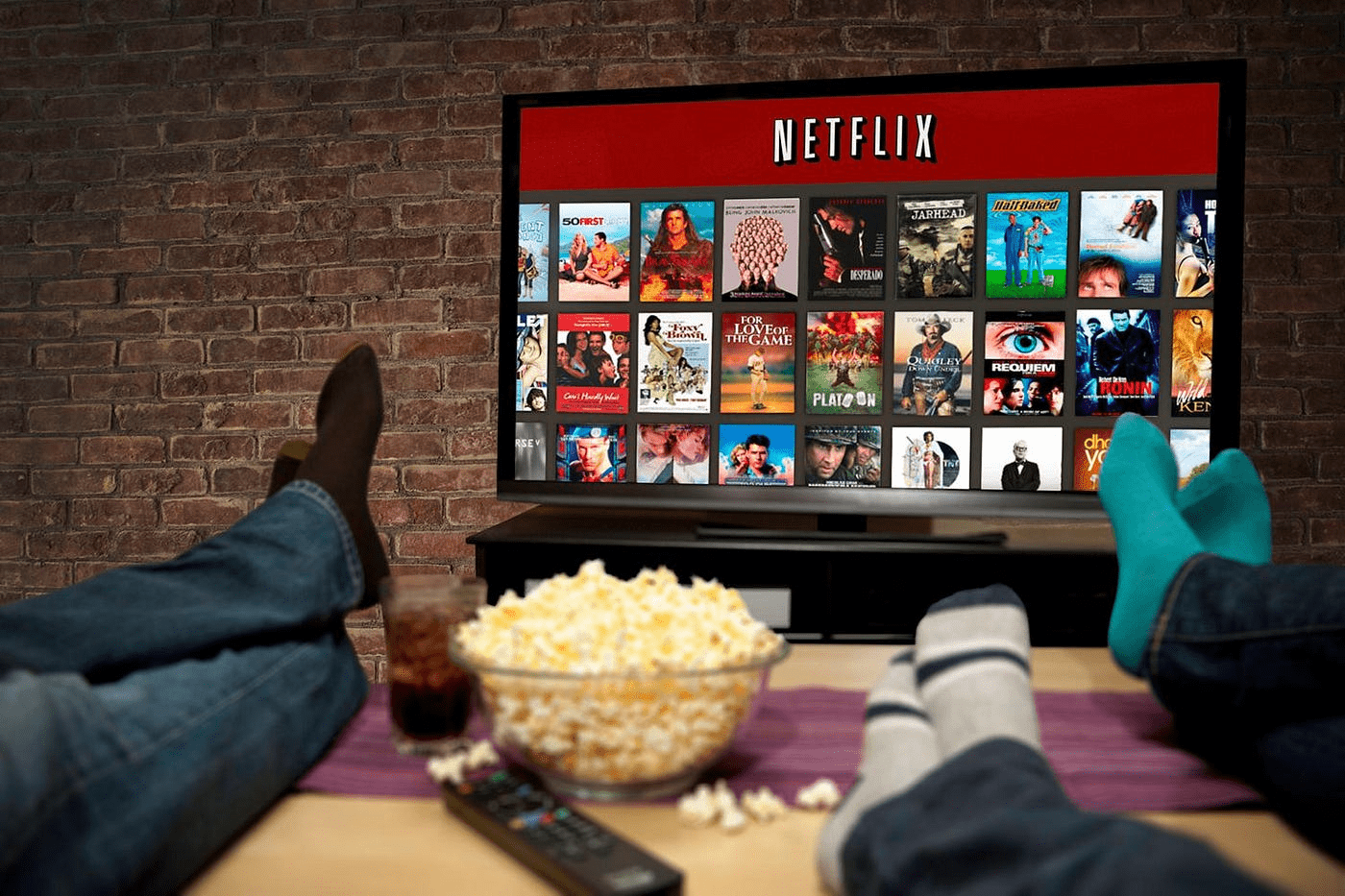
Since the days of Rome’s “bread and circuses,” human nature hasn’t really changed. Once people satisfy their basic need for food, the next essential desire is entertainment. With the Lumière brothers’ invention of the movie projector, finding entertainment became much easier. But as the film industry evolved, so did audiences’ expectations. It was no longer enough to amaze people with a few minutes of moving pictures. Year by year, cinema became more refined, complex, and artistic. Let’s take a closer look at how film culture developed in Houston, right here on houston-trend.
The First Steps
Houstonians were first introduced to the magic of cinema at the end of the 19th century. Early film screenings came through traveling shows that presented moving images at fairs, theaters, and circuses. This became possible after Thomas Edison invented the kinetoscope in 1897. The so-called “living pictures” were viewed inside a wooden box, where only one person could watch through a peephole. These first “masterpieces” lasted just a few seconds, showing simple scenes — acrobatics, dances, or even a kiss.
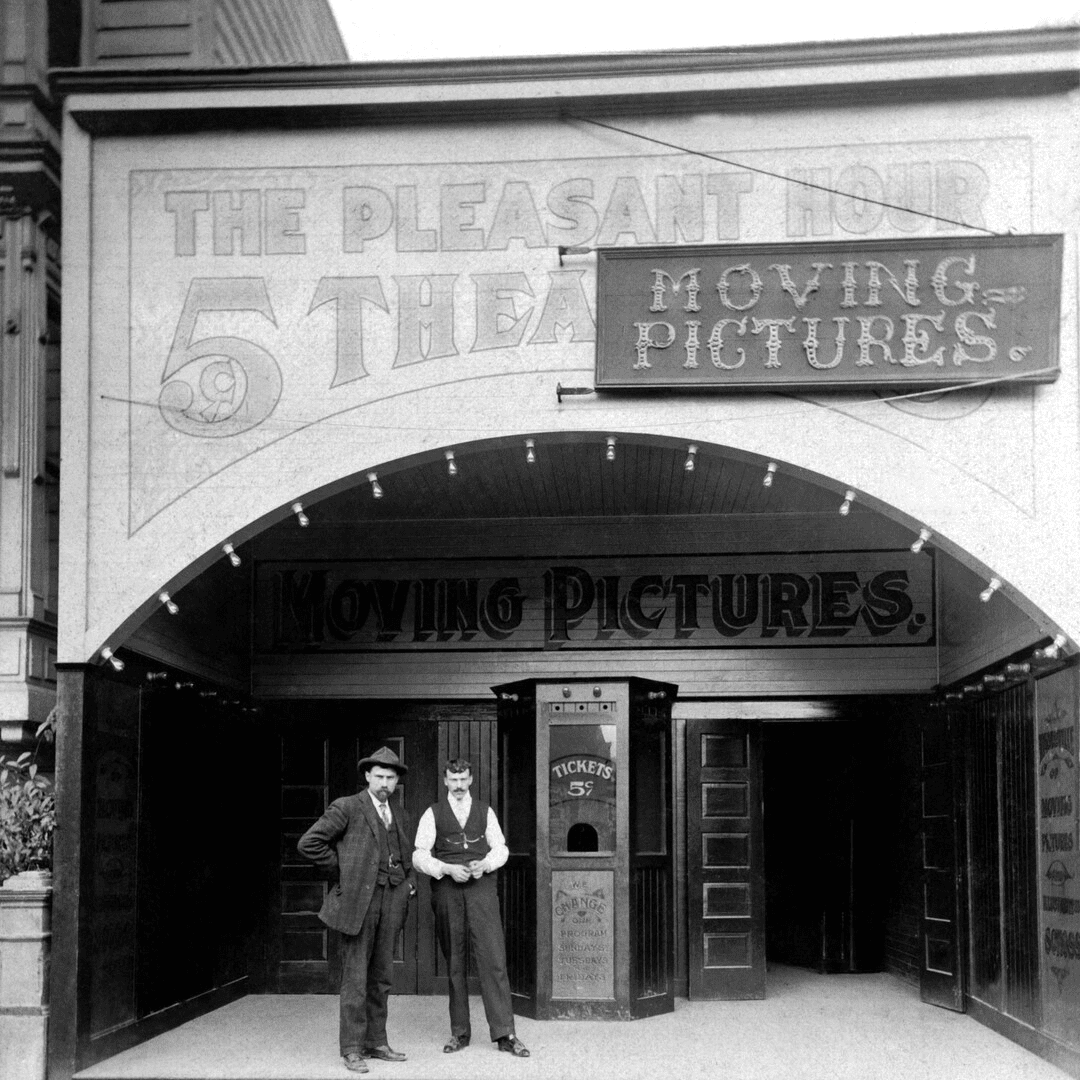
Over time, kinetoscopes started appearing permanently in Houston’s theaters and amusement halls. The storylines grew more complex, and films lasted longer. Though still limited to one viewer at a time, audiences could now enjoy a few minutes of moving pictures. Popular subjects included boxing matches, street scenes, and vaudeville acts — and soon, a few mildly risqué clips as well. These short films became known as “nickelodeons,” named for the five-cent admission fee — a nickel.
Even though new films arrived infrequently, early screenings were wildly popular in Houston. People often waited in long lines to peer into a kinetoscope. Despite their simplicity, these early experiences laid the foundation for the city’s thriving film industry in the decades to come.
The Birth of Movie Theaters
The enormous popularity of Edison’s invention across the U.S. pushed entrepreneurs to take film to the next level. But true cinematic revolution came from France in 1895, when the Lumière brothers presented the first movie projector. Unlike Edison’s peephole machine, their invention could project moving pictures to large audiences. It was both brilliant and simple, capable of screening films even outdoors — and the image quality, for its time, was astonishing. Though the content was mundane — workers leaving a factory, a train arriving, a man watering his garden — the public was mesmerized. The Lumières’ projector didn’t just advance technology; it gave birth to a new art form that would soon dominate the culture of the 20th century.
Houston didn’t miss out. Shortly after the first American demonstrations of the projector, the city began hosting film screenings. Following the traveling shows came the first permanent theaters. The pioneer among them was The Dixie Theatre, which opened in 1910. Located downtown, it quickly became a popular landmark and meeting spot. Despite the silent films and simple plots, the crowds never stopped coming — every Houstonian wanted to witness this marvel.
Soon, The Dixie Theatre faced competition from The Isis Theatre on Main Street. The Isis featured state-of-the-art projection equipment, live piano accompaniment for silent films, and a more comfortable setting for guests.
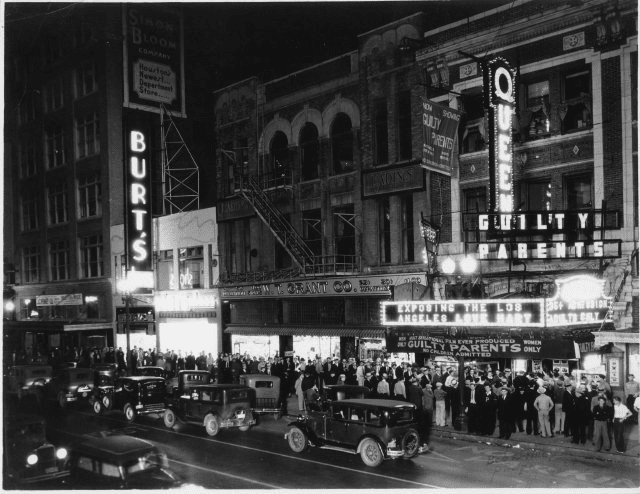
Another landmark followed in 1914 — The Queen Theatre. It made history as the first Houston cinema to show Charlie Chaplin films. At a time when audiences were still amazed by moving trains on screen, seeing a full story with Chaplin’s comedic genius was nothing short of a sensation. The Queen Theatre quickly became a beloved institution for locals.
A Technological and Cultural Leap
The film industry evolved at lightning speed, and Houston kept pace. As competition grew, new cinemas were built — each striving to outshine the others and attract bigger audiences.
A major milestone came in 1923 with the opening of the Majestic Theatre. It was Houston’s largest and most luxurious cinema — a true movie palace that dazzled visitors with its grandeur and elegance. In 1927, it became the site of the city’s first sound film screening — The Jazz Singer.
Competition among theaters also drove ticket prices down, making moviegoing affordable for everyone. Going to the movies was no longer a privilege of the elite. Working-class Houstonians could now take their sweethearts to a show or enjoy a family outing without breaking the bank. Theaters became social hubs — places to relax, laugh, and share time with friends.
As film distribution became more centralized, premieres began debuting simultaneously in multiple cities. In Houston, movie premieres drew huge excitement, often selling out quickly. Missing a premiere due to sold-out tickets was a common frustration. Films introduced local audiences to fashion trends, ideas, and the glamour of Hollywood — shaping the city’s cultural life for decades.
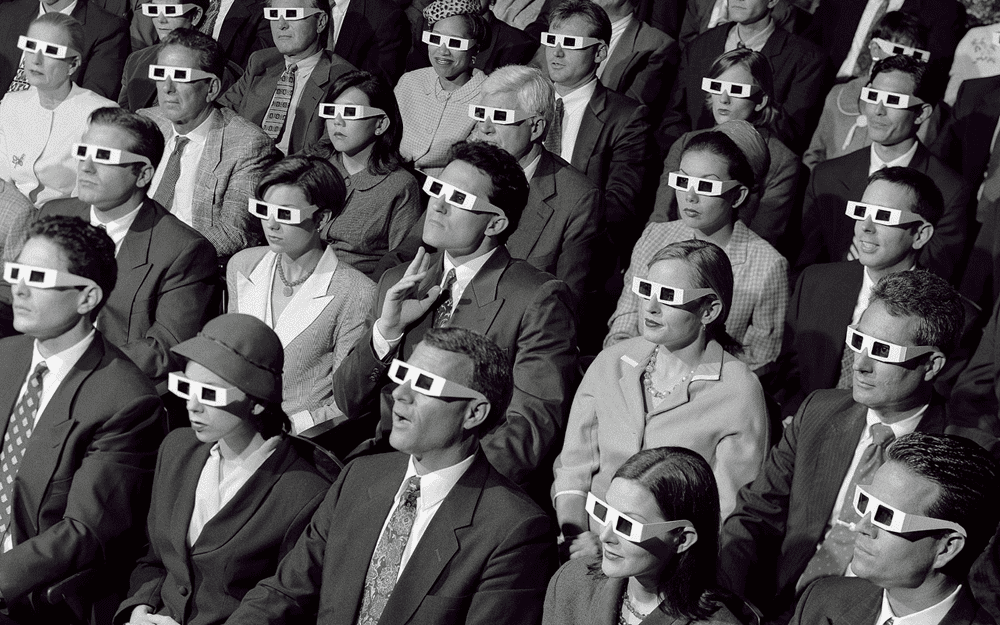
Over time, some theaters closed due to competition, while others adapted or modernized. New formats emerged — including drive-in theaters and stereo cinemas. Even today, Houston boasts many theaters showing the latest releases and timeless classics. It’s clear that cinema has become an integral part of life here — and its legacy has stood the test of time. One thing’s certain: Houston’s love for movies isn’t going anywhere.
Television — The New Rival
By the mid-1940s, television began gaining traction in Houston. At first, it offered mostly news and entertainment shows, but by the early 1960s, films were regularly broadcast. Many Houston families eagerly bought TVs — the newest form of home entertainment. As local stations and media companies expanded, they competed for viewers by airing movies, creating real competition for theaters. Why go out when you could watch from your couch?
By the 1970s, cable television had arrived, offering subscribers access to extensive movie libraries. For a modest fee, Houstonians could watch nearly any film — except for new premieres, of course, which still drew crowds to the enduring movie theaters.
Then came the internet, giving the film industry a whole new platform to reach audiences. Streaming services now offer thousands of titles at our fingertips — from classics to the latest hits. Today, finding and watching your favorite film has never been easier — all you need is time and curiosity.