Before special effects and green screens dominated cinema, street reality built the shot, making the city a silent accomplice to the drama. Films were shot with a limited number of takes to save expensive film. But there was a special charm to it, especially when actors gave their all, knowing it was almost like a live broadcast. We’ll delve into Houston’s black and white cinematic era right here on houston-trend.
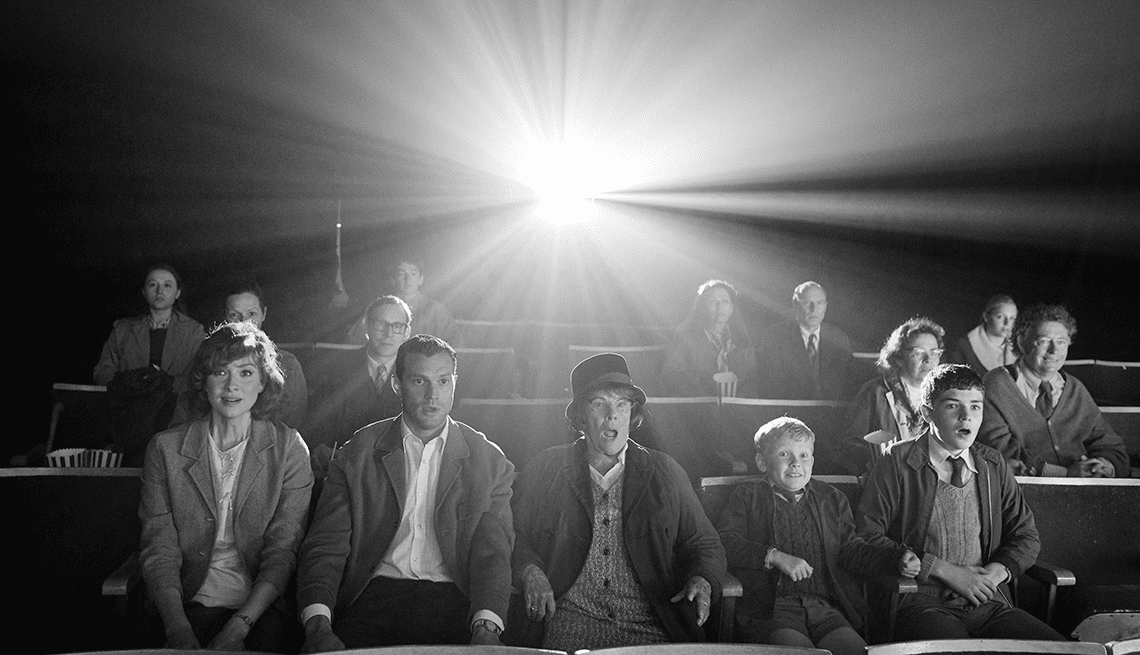
General Characteristics of Early 20th Century Black and White Cinema
These days, anyone, even an elementary school student, can create a video. But at the beginning of the 20th century, shooting a film was incredibly difficult. It demanded the attention and focus of many people from various professions. What’s more, failing to follow the rules could ruin all the painstaking work and lead to a fire. Therefore, a vast number of factors had to be considered when filming a movie. Here are the main ones:
Natural Conditions and Light: Before powerful artificial lighting emerged, filmmakers heavily relied on natural sunlight. Filming often took place outdoors or in studios with glass roofs to maximize daylight. This was crucial for getting a sufficiently lit image on the less sensitive film of the time.
Emphasis on Contrast and Tones: Since color was absent, cinematographers and directors focused on chiaroscuro, contrast, and shades of gray. This required meticulous planning of lighting and composition to ensure objects and figures didn’t blend together, but had clear outlines and volume. Background elements like textures and patterns also gained greater significance.
Use of Filters: Optical filters were used in black and white cinema to control contrast and tones. For example, a blue filter could darken red, while a yellow filter could make clouds in the sky more distinct.
Manual Toning and Tinting: Although films were black and white, they were very often manually or chemically toned after filming, giving scenes specific hues. For instance, blue for night scenes, yellow for day scenes, red for fire, and so on. By 1920, 80-90% of films were toned. This wasn’t part of the filming process, but was a key characteristic of the image.
Cellulose Nitrate Film: Early film stock was made from cellulose nitrate, which was highly flammable. This posed significant risks during filming and especially during the storage of filmed material.
These are just some of the nuances from the dawn of filmmaking. But as we can see, it’s enough to understand just how labor-intensive the process was.
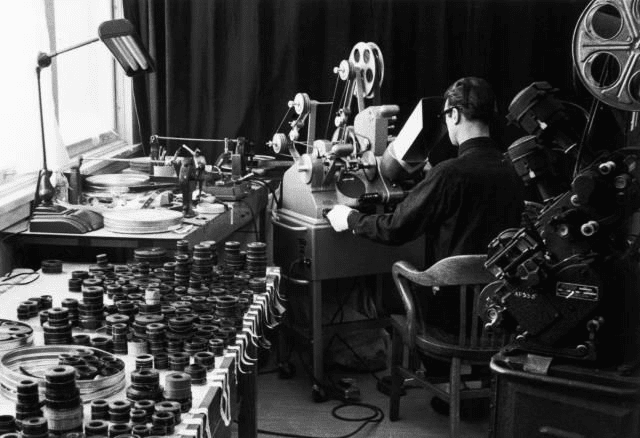
Peculiarities of Early Filmmaking in Houston
The first-moving pictures in Texas appeared at the very beginning of the century. One of the earliest was likely a documentary about the aftermath of the 1900 Galveston hurricane. However, a significant portion of early filmmaking in Texas was concentrated in San Antonio, where Gaston Mélies’s Star-Film Ranch studio operated in the 1910s. It produced Westerns and comedies, genres that were in the highest demand at the time.
As for Houston specifically, the city’s first films were shot in 1921. The first to arrive was a film from Superior Art Productions, a company owned by African American businessmen. This is quite an interesting fact, considering segregation was in full swing at the time. White individuals allowed them not only to film but also to own their own film company without harassment. It was truly a fascinating phenomenon. This Black-owned film company produced so-called “race films,” meaning movies for African American audiences.
Despite everything, in the early 20th century, Houston was more a center for film exhibition than production. As early as the 1900s and 1910s, “Nickelodeon” began appearing in the city. These were simple cinemas in converted spaces. It could be any space that was rather loosely renovated to temporarily house film screenings. But this fact indicates the public’s growing interest in cinema. Thus, in the first half of the last century, Houston was more a consumer of cinema than a major production hub.
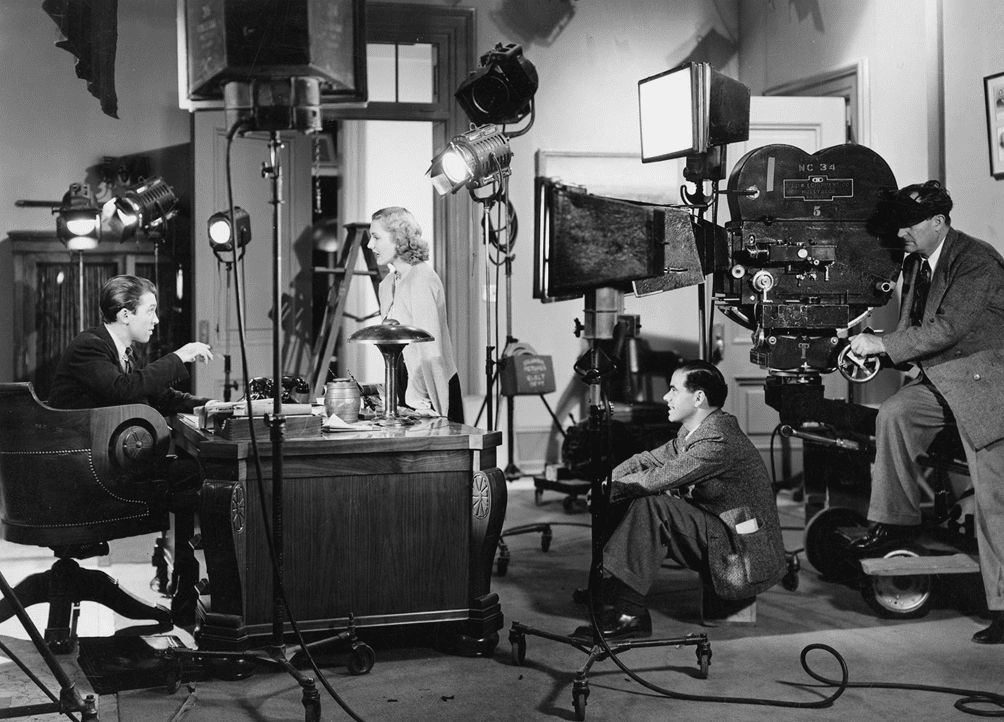
Houston – A Filming Location
One of the first films where Houston appears not just geographically but, so to speak, “soulfully,” is 1956’s “The Houston Story.” Directed by William Castle, this crime drama centers on an oil scam, with John Brent, played by Lee J. Cobb, as the protagonist. He decides to swindle the oil market and, as genre conventions dictate, finds himself entangled in a world where money, betrayal, and death are more tightly intertwined than oil pipelines. The film showcases Houston from the inside, seen through the eyes of a wheeler-dealer who knows every nook and cranny, every late-night gas station and establishment. Filming partly took place on real Houston streets, with genuine fog that didn’t imitate the mood but embodied it.
Another noteworthy work is 1977’s “Murder at the World Series.” While technically a color television thriller, it still carries the spirit of old Houston, shot in the claustrophobic corridors of the Astrodome and in retro hotel interiors. Starring Michael Parks, his performance underscores the atmosphere of an anxious America. This film is interesting not for its visuals, but for how it weaves the city into the nervous fabric of the plot – Houston here acts as psychological pressure, a space where every shadow is deeper than it seems.
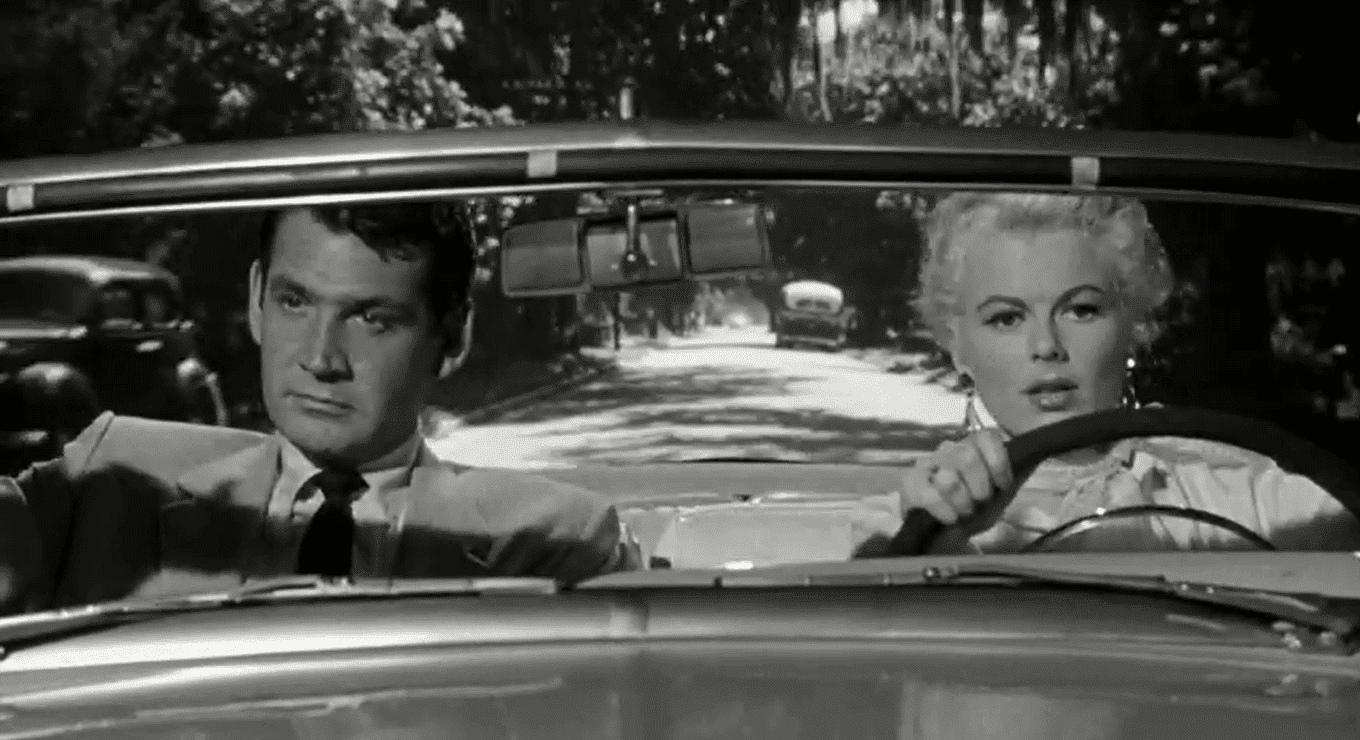
The Arena and Urban Backdrop
In the lesser-known but authentic 1968 film “Hellfighters,” starring John Wayne, the city appears as a business arena – the center of the American oil drilling saga. This film is about firefighters who extinguished oil well fires around the world but were based in Houston. The camera casually shows offices, streets, and gas stations, but always with a documentarian’s precision. Wayne plays Chance Buckman, a man of his era for whom the city was not just a backdrop but a headquarters.
Another moment when Houston bursts into cinema with respect for the black and white tradition is Wim Wenders’ 1984 film “Paris, Texas.” Although the main events don’t take place in Houston itself, one of the key scenes – the final conversation between Travis (Harry Dean Stanton) and Jane (Nastassja Kinski) – is shot in Houston, in a room through mirrored glass. Even though the film is in color, shot by legendary cinematographer Robbie Müller, the chiaroscuro in this scene is pure noir.
And finally – we can’t overlook “The Chase” (1966) with Marlon Brando and Jane Fonda. Although most of the filming took place in another city, the atmosphere of Southern Texas, the frenetic pace of change, racial and class conflicts – all of this paralleled Houston in the 60s. Brando, as Sheriff Calder, symbolizes morality in a city where it’s increasingly diminishing.
In Conclusion
As we’ve seen, Houston loved to watch the latest cinematographic releases and spared no expense for it. However, although only a fraction, films were indeed shot in the city. Houston in retro-era films is not just a location. It’s the soul of the industrial West that became part of screen life when images were more powerful than words. Here, night is always more than just the absence of light, and the city is always more than just a backdrop or a map.