


The Catastrophic Theater is a theater company considered a leader in Houston’s experimental and original performance scene. The theater company creates provocative and emotional works you won’t see anywhere else in the United States. Catastrophic Theater’s plays illuminate the ambiguity of essential life issues. Find out more at houston-trend.
A BRIEF HISTORY OF TEXAS THEATER
Before the advent of English-language theater in Texas, Native Americans performed religious rituals with elements of dance, colorful costumes and intriguing transformations for centuries. At the same time, the Spanish colonists organized secular dramas on the occasion of special events and presented religious spectacles along with performances that combined local dance and Christian theater. The latter type of performance later developed into Spanish-language folk dramas.
Professional English-language theater in Texas, specifically Houston, appeared in 1838. Competing managers John Carlos and Henri Corry established two theaters nearly simultaneously, even before the city had its first church. Professional actors from New Orleans played the main parts, while amateurs played the minor ones. Serious plays and musical concerts were dominant in the theater program.
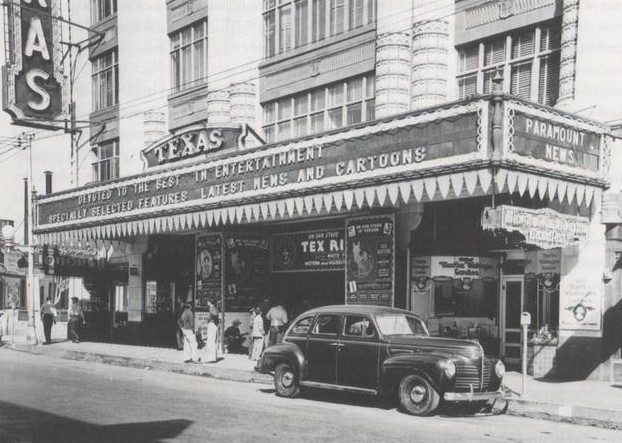
Between 1845 and 1860, professional theater became a major entertainment in Texas, particularly on the Gulf Coast. The port city of Galveston gained particular popularity among tourists. Small inland towns made do with amateur dramatic societies and traveling entertainers. During this period, Texans wrote several original plays, several of which were about the Texas War of Independence.
The Civil War and the Reconstruction period in the South temporarily halted the development of Texas theater. However, as early as the 1870s, railroads opened to tourists. Stock company executives, including actor William Henry Crisp, had opened theaters in Galveston, Houston and San Antonio. The theaters provided separate sections for blacks and all women.
By the late 1880s, Texas had joined the transcontinental theater. The state has hosted such celebrities as Edwin Forrest, Edwin Booth, Sarah Bernhardt, Helena Modjesko and Lillie Langtry. Actors rode in specialized railroad cars around the state. Melodramas, Shakespeare plays, minstrel shows (performances in which white players recreated humorous incidents from black people’s lives) and musical extravaganzas were all part of the regular theater program. Vaudeville and variety shows were added to the rest in the 1890s.
When touring declined significantly in the early twentieth century, more educated Texans turned to amateur theater as part of the idealistic movement of cultural improvement. In 1907, playwright Stark Young organized a drama society called the Curtain Club at the University of Texas at Austin. Similar drama clubs quickly sprouted up at other universities throughout the state. Some Texas high schools started drama programs around 1927. The University of Texas at Austin established the first theater department in the state in 1938.
Two theaters, the Alley Theater in Houston and the Dallas Theater Center, led the way in Texas between the 1940s and 1960s. In the 1970s, Texas suburbs began organizing theater nights which mainly offered comedies. In the 1980s, open-air performances grew in frequency. The early 1990s marked the rise of professional theater. Zachary Scott Theater took the lead in Austin, Theater Three in Dallas, Stages in Houston and Stage West in Fort Worth.
CATASTROPHIC THEATER, THE STORY OF ITS FOUNDING
Houston native Jason Nodler studied playwriting at New York University. For a period, the man ran Jerry Brown’s Houston office for the 1992 presidential race, repaired computers and sold coffee, among other things.
In 1993, he decided to make his creative dream come true and gathered a group of like-minded artists to stage his rock opera In the Under Thunderloo in a punk club in the East Side neighborhood. Tamarie Cooper was among the company of artists with whom Nodler subsequently established the alternative theater company Infernal Bridegroom Productions (IBP).
Each summer, Associate Artistic Director Tamarie Cooper created a brand new musical. Her summer shows became iconic in Houston. One of the founders of IBP was Jim Parsons, the actor made famous by his role as Sheldon Cooper on The Big Bang Theory. The IBP company has staged classic avant-garde plays by writers such as Samuel Beckett, Eugène Ionesco and Bertolt Brecht, as well as original and commissioned works.
IBP gained national attention when it presented the original play We Have Some Planes about the tragic events of September 11, 2001. IBP has become renowned for its provocative work, talented ensemble and success in winning over non-traditional audiences. IBP enjoyed a large and loyal audience and regularly attracted audiences from other cities who traveled to Houston specifically to see the theater group’s masterful work.
After the IBP split in 2007, Jason Nodler and Tamarie Cooper established the Catastrophic Theater. The theater company, the recipient of two grants from the MAP Found, has built an international reputation for its original performances, drawing audiences from across the United States, Europe and Australia.
Catastrophic Theater offers Houstonians challenging and innovative productions. In 2009, the Houston Press named Catastrophic Theater the city’s best theater company. In 2017, the company received awards from the online newspaper for Best Season, Best Actor and Best Artistic Director.
THEATER EXTREME
Catastrophic Theater undoubtedly serves as a venue for avant-garde and experimental performances in Houston. The company’s work, described as “theater extreme,” captivates audiences with provocative plots and unexpected scenarios that may incorporate sexual imagery or violent aspects.
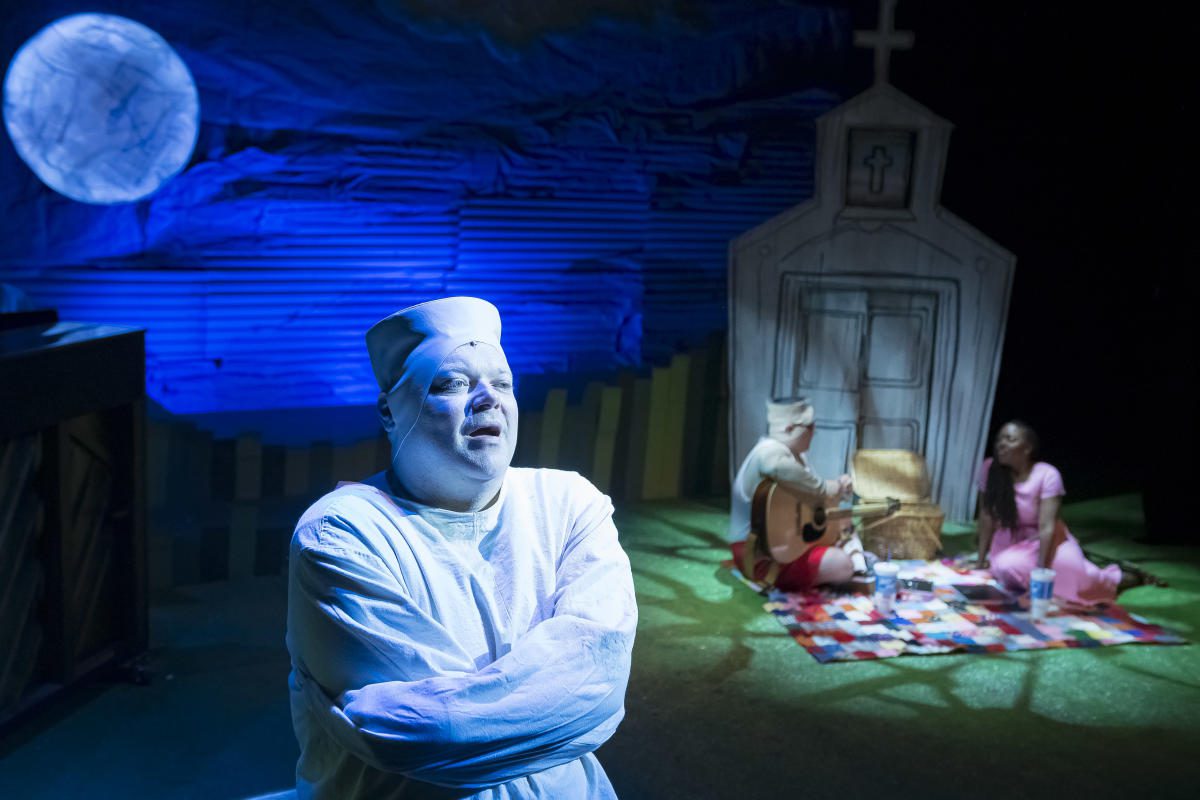
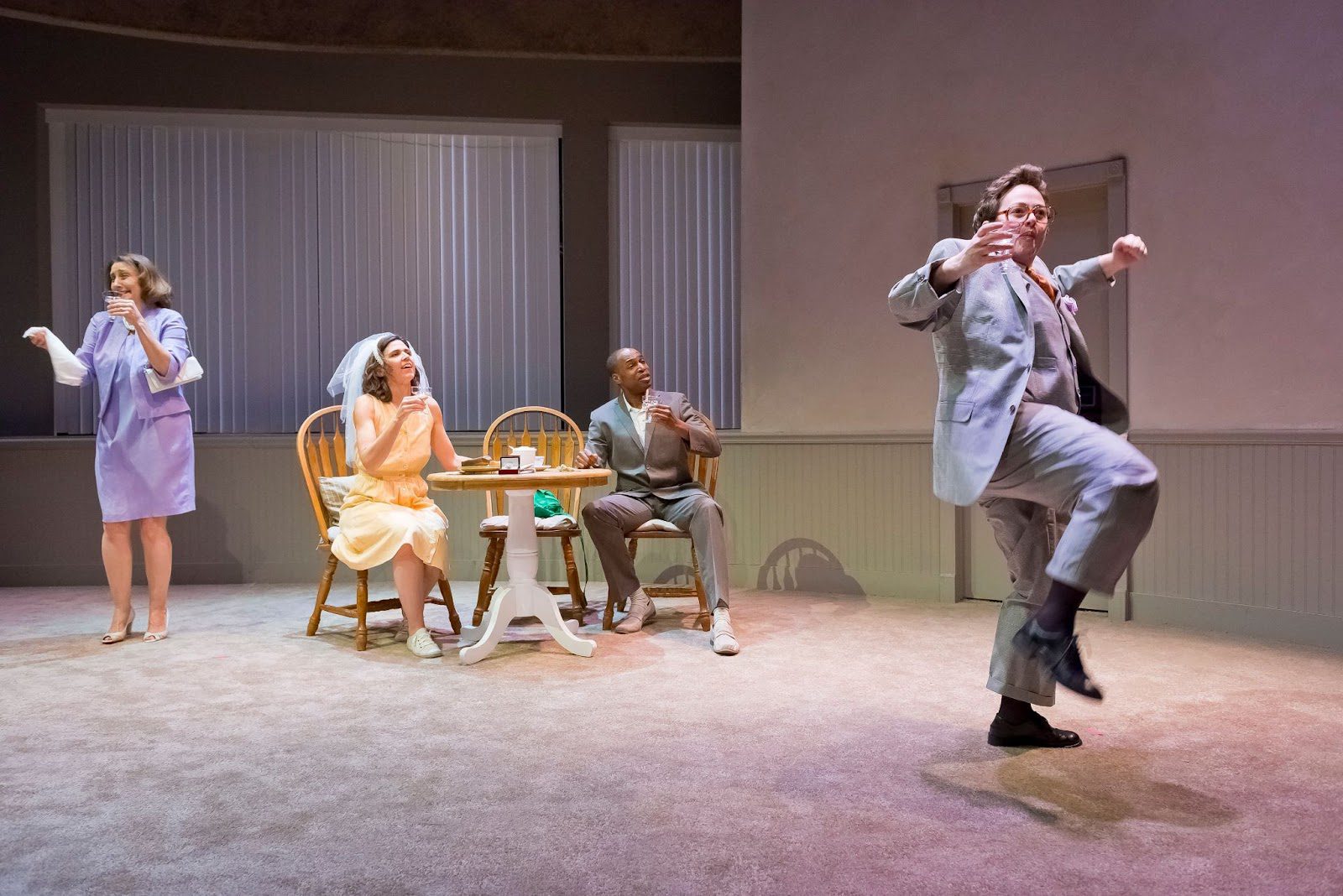
The company’s performances are overwhelmingly emotional. They are intended to elicit feelings rather than thoughts. The plays usually raise the theme of the ambiguity of most of life’s significant questions. At the same time, the characters do not respond to any of the questions, encouraging the audience to interpret each situation as they see fit. That brings to mind the idea that there are as many possible interpretations as there are viewers.
PAY WHAT YOU CAN
As of 2023, Catastrophic Theater Company’s shows have no set price. Audiences pay what they believe is appropriate. The recommended price is $35, though it’s also not based on how much it costs to create the show, which is substantially higher. Audiences usually pay between $0 and $75.
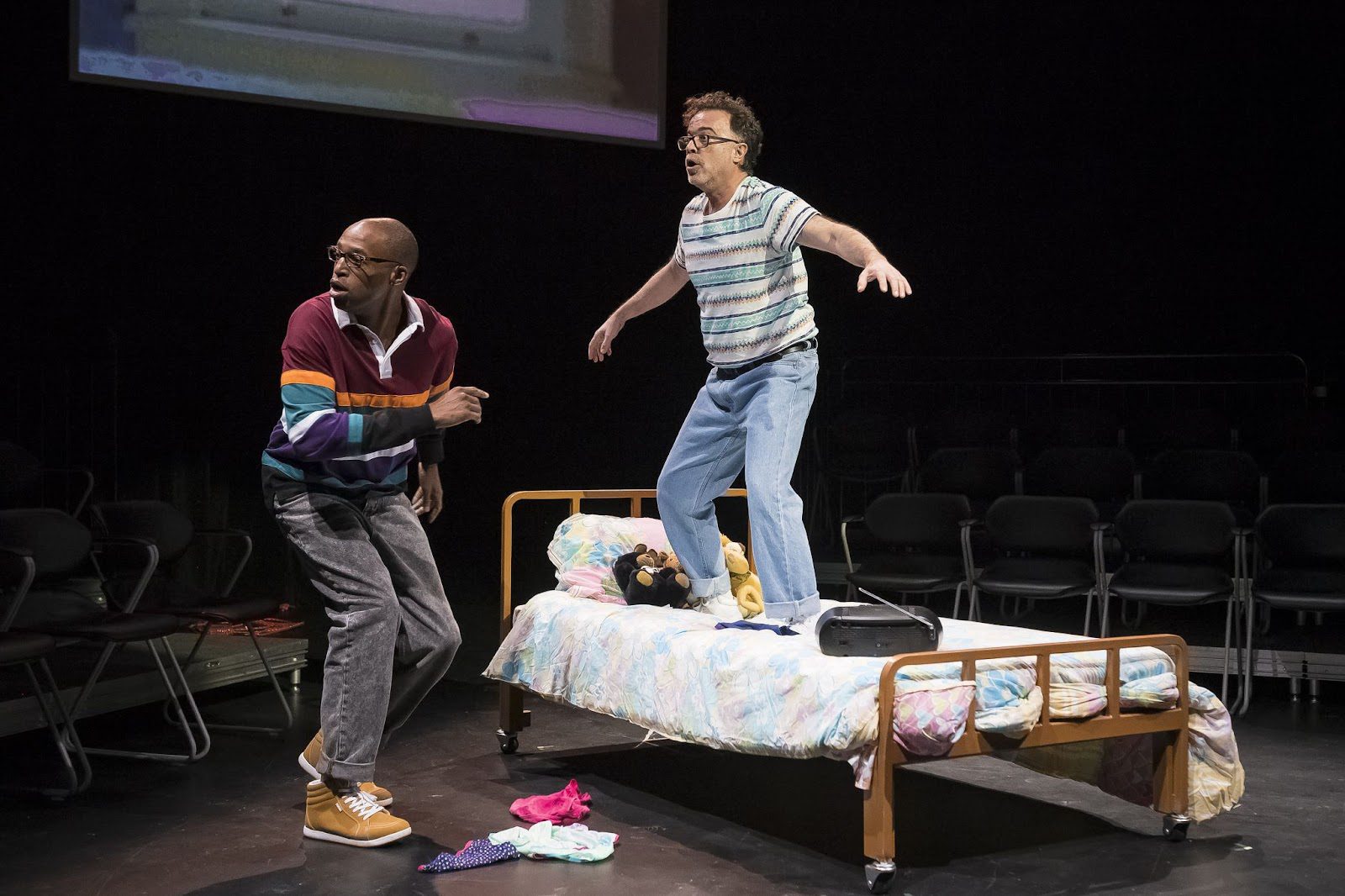
This voluntary fee system is in place to ensure that the arts are accessible to all, allowing those with the most financial resources to fund the cost of tickets for those who do not. Following the implementation of such a policy, the company’s management noticed that audiences and ticket revenue increased significantly. Some people got the chance to see the play for the first time for free.
The venue also frequently provides free beer and appetizers following each performance, encouraging audiences and performers to stay late into the night and develop a unique cultural community.