


Making a movie today isn’t that hard. But back in the 1990s, becoming a film director usually meant you either had deep pockets or a powerful patron in the industry. Richard Linklater proved that theory wrong. He became a successful filmmaker, directing more than 20 movies, earning several Oscar nominations, and twice winning awards at the Berlin International Film Festival. His films captivate audiences with their simple plots and the raw authenticity of the actors’ performances. Read more about him on houston-trend.
Sports, Youthful Energy, and Oil Rigs
Richard Stuart Linklater was born on July 30, 1960, in Houston, Texas. His parents were ordinary people with no wealth or powerful connections. His mother taught at Sam Houston State University, while his father worked as an insurance agent. Richard attended Huntsville High School, where he began shaping his path toward the future.
Like many teenagers, he was passionate about football and even made it onto the top-ranked team in the state as a backup player. But being on the bench wasn’t for him. So, with little hesitation, Linklater switched to baseball — even changing schools to pursue his dream. He transferred to Bellaire High School, known for having the best baseball coach in the region, believing it would give him a real shot at a sports career.
But creative people rarely limit themselves to one pursuit. Alongside baseball, Linklater took an interest in art. He turned out to be quite talented — even winning a Scholastic Art and Writing Award for his work.
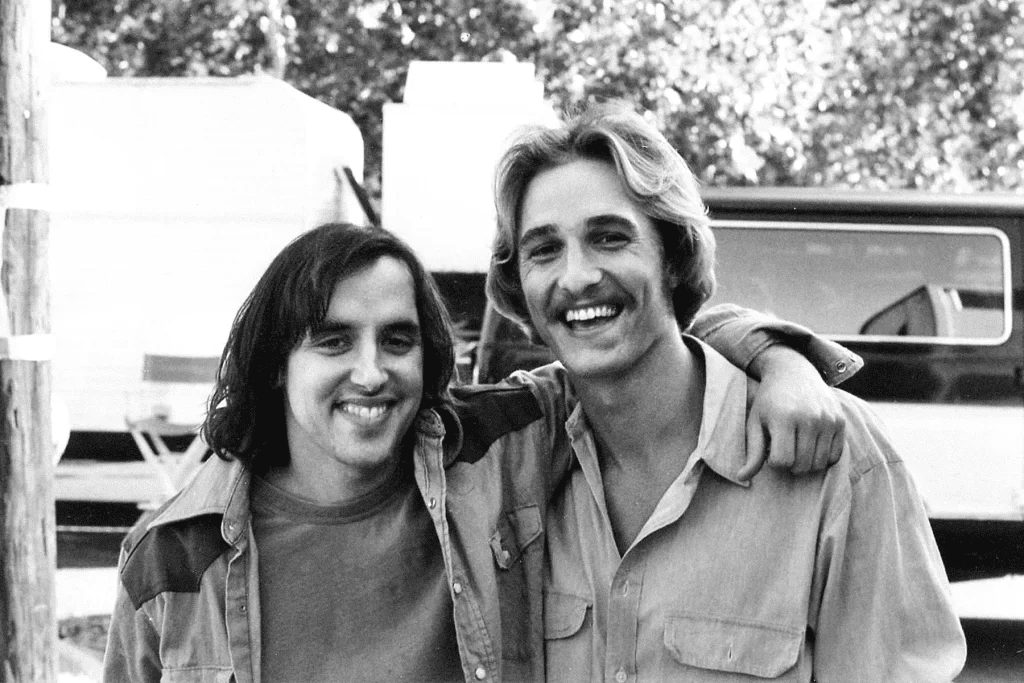
After graduation, he enrolled at the University of Houston, still hoping to make it as a baseball player. Yet, in a moment of youthful rebellion — or perhaps heartbreak — he suddenly walked away from it all. He quit school, gave up sports, and even left Houston, taking a job on an offshore oil rig in the Gulf of Mexico. That’s where his adult life truly began.
Dreaming of Cinema
There’s not much entertainment when you’re stuck on an oil rig in the middle of the ocean. So Linklater started reading — a lot. He later said that reading sparked his imagination and visual thinking. Each book became a movie in his head, helping him picture how stories could come alive on screen.
Whenever he was on shore leave, Richard went straight to the movie theaters — especially an arthouse cinema in Houston, where he’d watch the same film multiple times, studying it frame by frame. That’s when his passion for filmmaking was born. He knew he wanted to become a director.
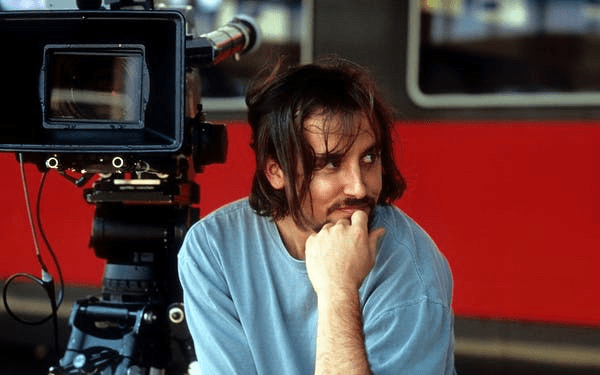
Linklater never returned to the oil platform. With his savings, he bought his first camera, projector, and editing equipment. He moved to Austin, where his directing career officially began.
A Rapid Rise
From dream to reality — that’s Richard Linklater’s story. Knowing Hollywood’s doors weren’t wide open yet, he started small. Together with his college acquaintance Professor Chale Nafus and University of Texas professor Charles Ramírez-Berg, he founded the Austin Film Society. Later, SXSW founder Louis Black and his colleague Lee Daniel joined the group. Their mentor was George Morris, a former SoHo Weekly News critic who taught film studies in Austin.
The society’s mission was to promote love for cinema, screen little-known or noncommercial films — especially foreign and arthouse works — and support emerging filmmakers through education and funding.
By 1985, Linklater had begun his own creative journey. His early short films were mostly experimental exercises. Then came his first feature, It’s Impossible to Learn to Plow by Reading Books. It took him a year to shoot and another to edit.
In 1991, he founded Detour Filmproduction — an independent company that let him create outside Hollywood’s traditional studio system. His next film, Slacker, cost just $23,000 to make but grossed over $1.5 million, earning critical acclaim and launching him onto the world stage.
Linklater wrote the screenplay himself. The film follows one day in the life of Austin — told through brief vignettes of everyday locals and eccentrics, none of them professional actors. There’s no conventional plot, just a mosaic of moments. What could’ve been dismissed as cinematic chaos instead became a cult hit — a defining work for “Generation X,” echoing its restlessness and rebellion.
The Test of Fame
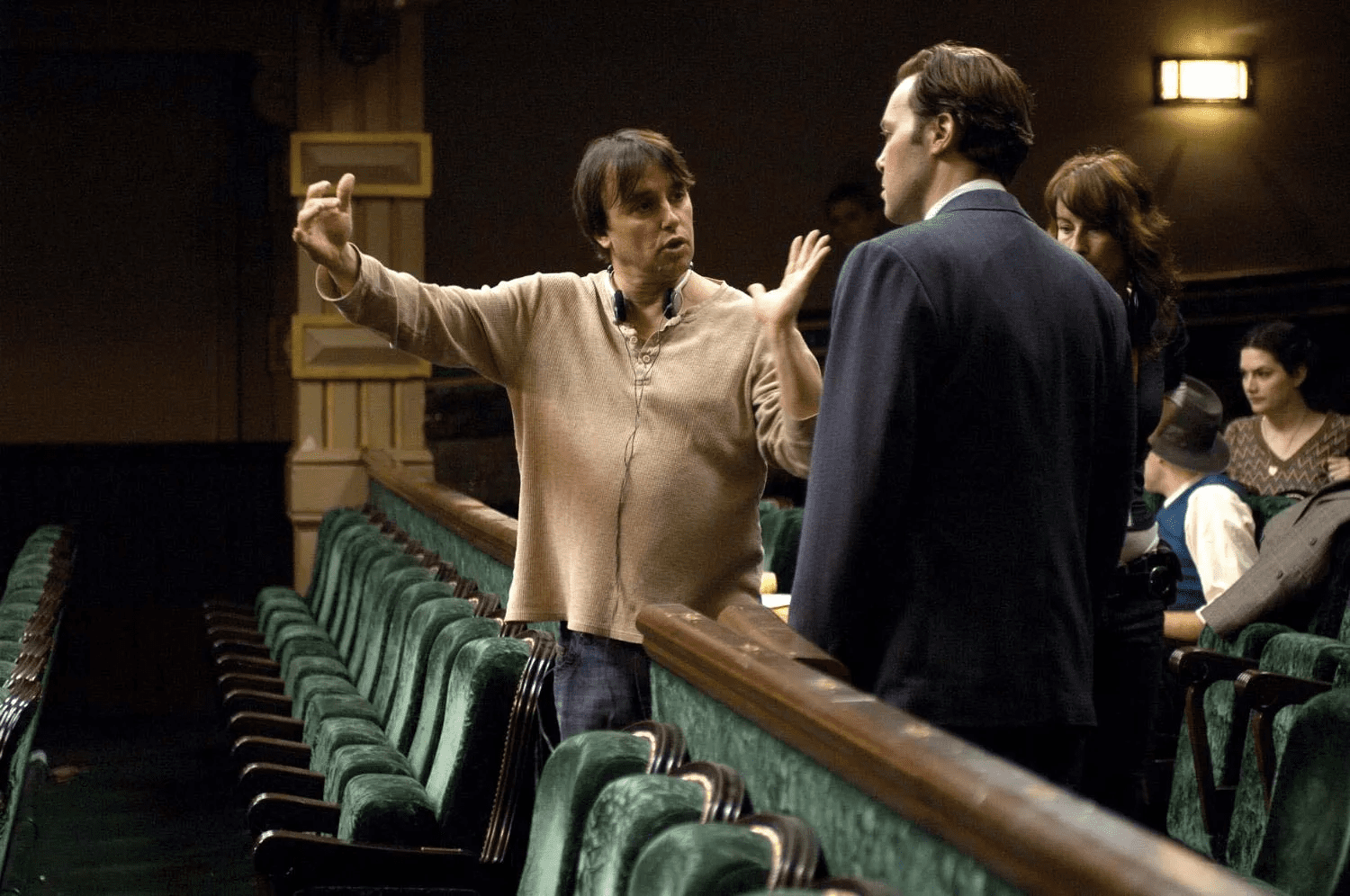
The success of Slacker allowed Linklater to keep creating — and to secure funding for his next project. In 1993, he released Dazed and Confused with a $6.3 million budget. The film instantly became a cult classic. Despite its simple premise — one day in the life of high school seniors — it’s considered one of the best teen comedies ever made. It also launched the careers of Ben Affleck and Milla Jovovich.
His fame continued to grow. In 1995, he earned the Silver Bear at the 45th Berlin International Film Festival for Before Sunrise, cementing his place among top directors.
In 1998, Linklater directed the Hollywood feature The Newton Boys, which received mixed reviews and modest box office results. But that didn’t slow him down. He began exploring new styles — most notably rotoscoped animation, blending live-action footage with drawn imagery. This led to Waking Life and A Scanner Darkly.
Later, collaborations with HBO and Warner Bros. brought more success. For Before Sunset, Linklater earned an Academy Award nomination for Best Adapted Screenplay. As of 2024, he has directed 20 feature films and continues to work tirelessly, driven by ambition and creativity.
Personal Life
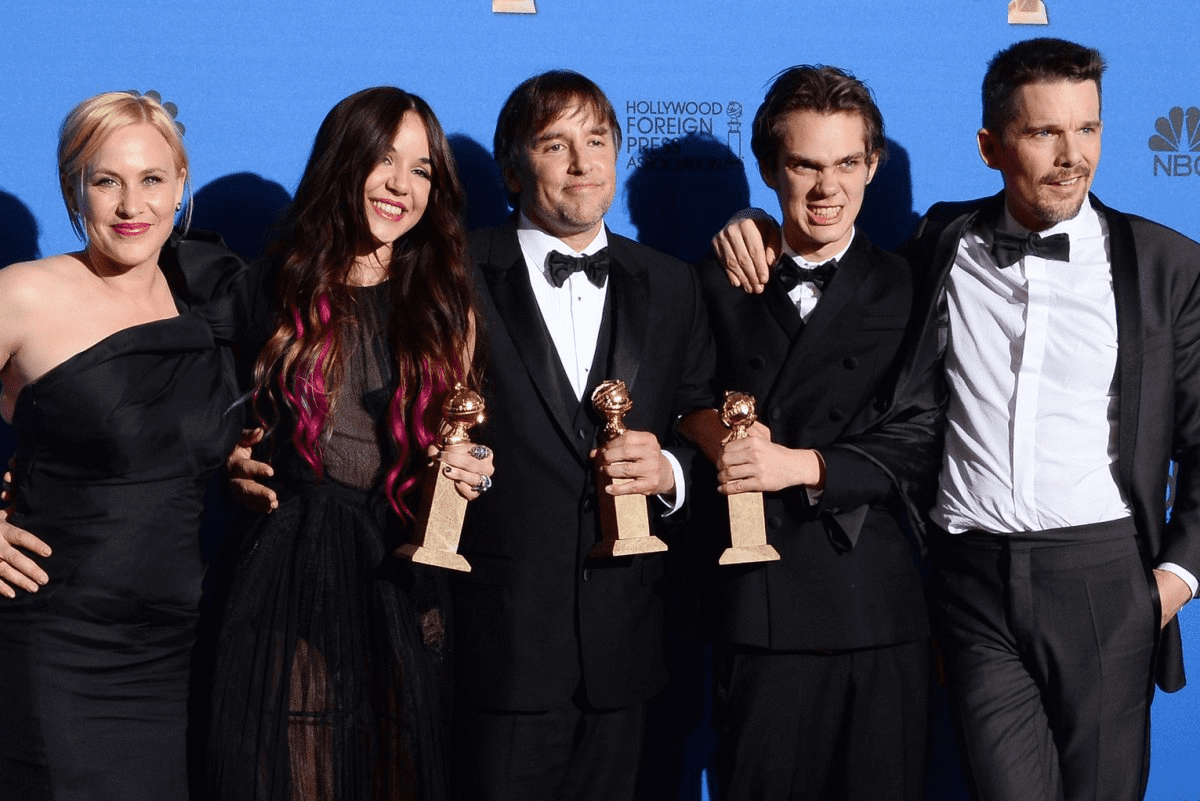
Despite his busy schedule filled with filming, premieres, and teaching, Linklater remains loyal to Austin — he refuses to live anywhere else. Since the 1990s, he’s been in a relationship with Christina Harrison. They have one daughter, born in 1994, and twin girls born in 2004. His eldest daughter appeared in Boyhood, playing the protagonist’s sister.
Linklater is also a dedicated vegetarian and shared his views on animal ethics in the documentary People for the Ethical Treatment of Animals.
He often says, “Life isn’t made of big moments — it’s made of small ones we usually overlook,” and he truly lives by that philosophy, valuing time with his family above all else.