Jazz is, without a question, America’s national treasure. In music, it is as captivating as a spacewalk in astronautics. It also clearly demonstrates the generation gap between Americans. In the film “Spaghetti & Coffee,” which depicts the history of the development of the United States during the twentieth century, the following dialogue occurs between the main characters in one of the episodes. When a young girl asks her brother:
“Do you also play this famous King & Carter music?,” he replies with a changed old man’s voice and says: “Maybelle Ann, Jazz is devilish music.”
Then they both burst out laughing. This episode depicts how, at the early stages of jazz’s development as a musical trend, the older generation viewed the phenomena negatively. Young people, on the other hand, saw significant progress and regarded it as the definition of style. Learn more at houston-trend.
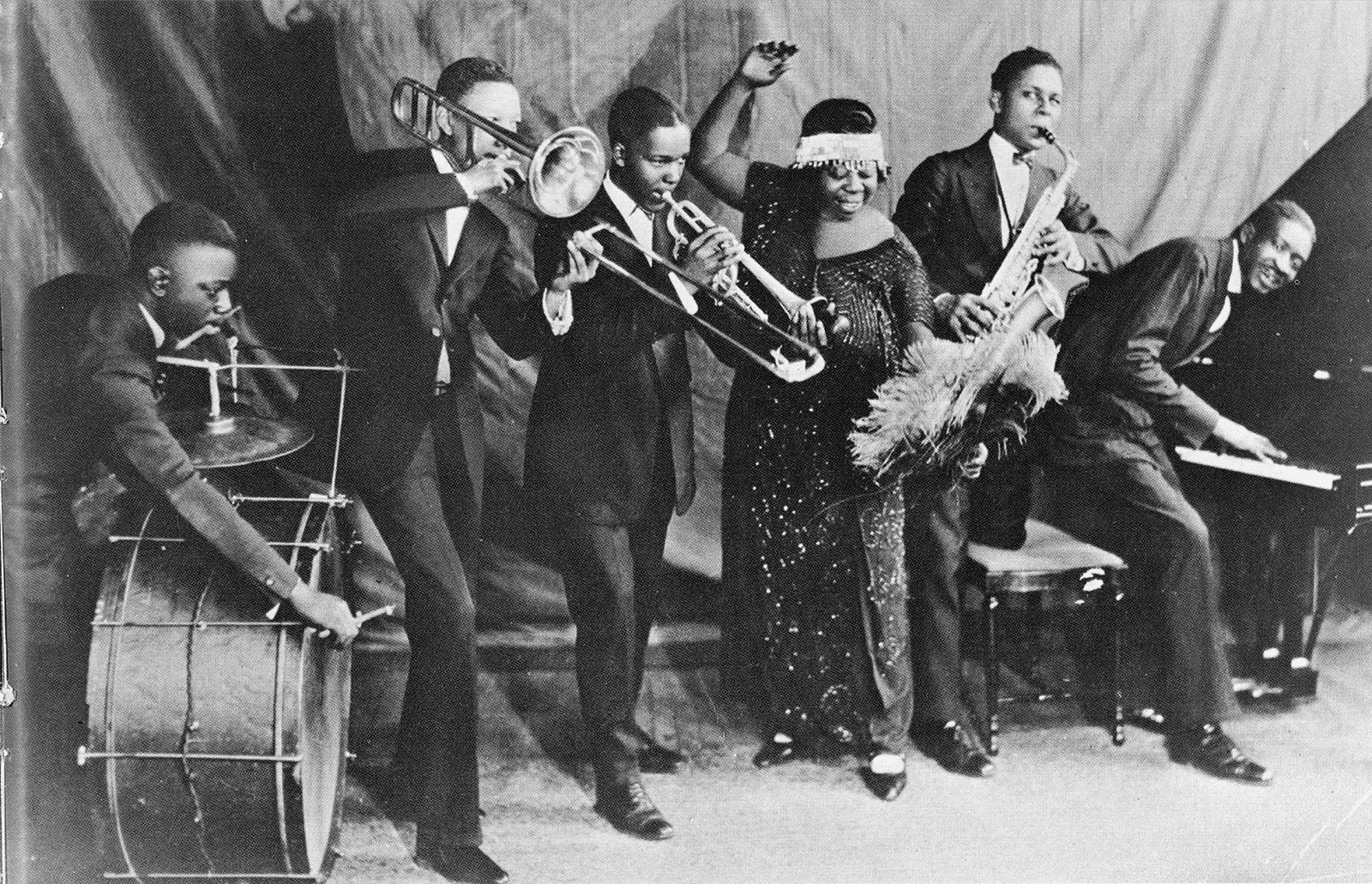
The King & Carter Jazzing Orchestra
Despite jazz’s quick development and popularity in the twentieth century, knowledge regarding its development is quite difficult to find. However, it is certain that jazz bands appeared in Houston as early as 1920. Furthermore, the city has had a considerable influence on the growth of jazz music in the United States. This was made possible by a number of factors, including multiculturalism and the large number of people of different nationalities in the city, proximity to New Orleans, which is known as the jazz capital, and the presence of numerous music venues where you could experiment and demonstrate the results of your avant-garde improvisations. As a result, Houston was at the forefront of the development of the new musical trend.
The aforementioned King & Carter Jazzing Orchestra is the most well-known representative of Houston jazz. It is known that they quickly gained popularity in the city and toured the country. Five dark-skinned young men gained wide recognition for their innovative sound, which blended elements of early jazz with popular dance rhythms like ragtime and blues. As a result of this combination, a new style, swing, emerged, and the band King & Carter was its originator. They were invited to numerous cities around the state. Additionally, they were reportedly popular with gangsters. Representatives of the shadow and illegal business paid enormous sums to listen to a private performance of the jazz band.
Unfortunately, there are no audio recordings of their music. This is because, throughout the twentieth century, there were few opportunities for recording. This was also facilitated by the band’s constant touring and improvisational style of their performances. Despite this, the jazz band had a significant impact on the establishment of a new progressive direction not just in the region, but also in the United States in general.
New trends, new bands
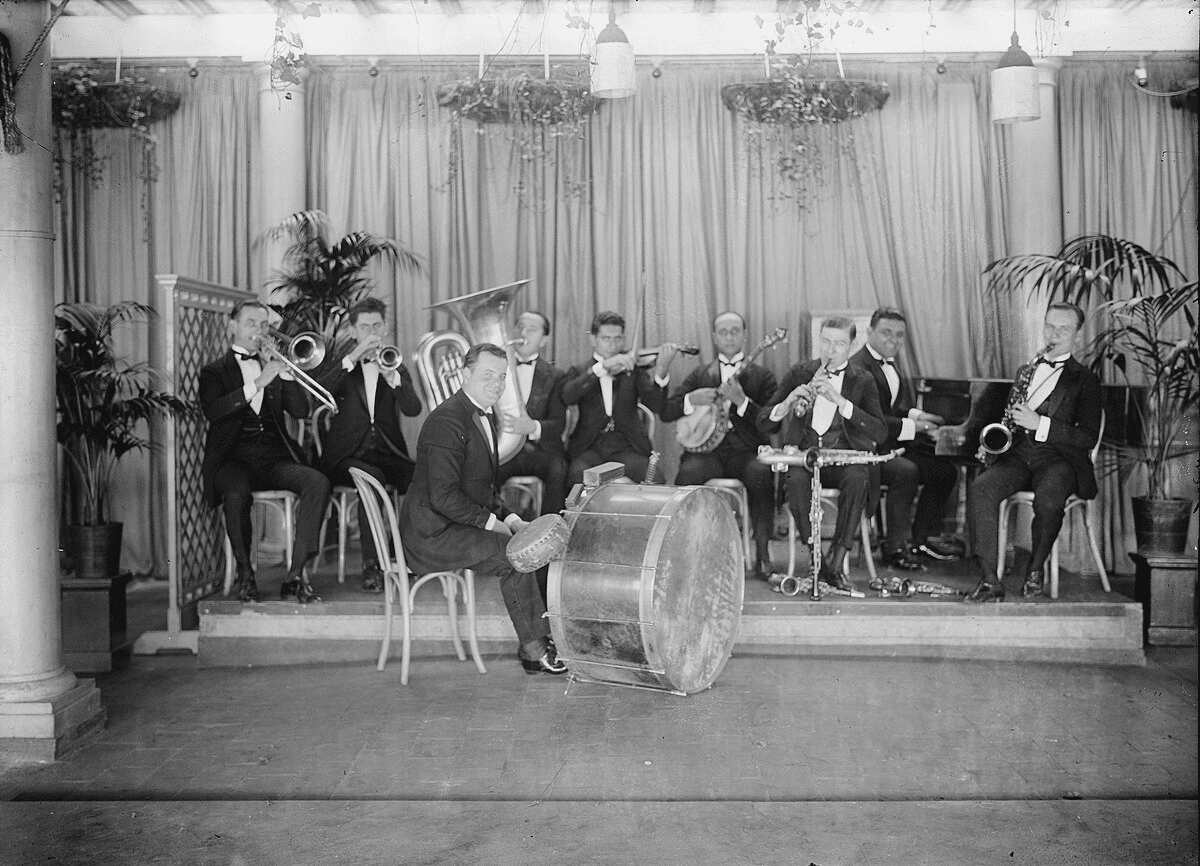
Setting a fresh tone in Houston music, the King & Carter Jazzing Orchestra has gained a large following. New groups emerged in the city like mushrooms after a rainstorm. Jazz compositions played by young musicians began to sound in local clubs, dance halls and restaurants, attracting an increasing number of jazz fans. This has resulted in the establishment of dedicated jazz clubs in the Third Ward neighborhood, such as the El Dorado Ballroom. Subsequently, Third Ward was reimagined as the heart of African-American musical culture.
New bands, constant improvisations and the pursuit of new forms of expression led to the blending of jazz with elements of blues, which was popular among young artists. It had become a defining feature of Houston jazz.
In the post-war period, this musical trend kept advancing in Houston. In the 1950s and 1960s, a variety of jazz styles, including bebop and swing, gained popularity. The city owes this to the touring musicians. However, local jazz musicians were equally recognized. One of the most well-known jazz musicians of the time was Illinois Jacquet, who would later achieve international fame. The saxophonist contributed significantly to the creation of rhythm and blues, becoming the most influential jazz performer of his era. Jacquet is also regarded as a pioneer in R&B music, having successfully merged jazz with elements of early rock and roll. The jazzman rose to international recognition after performing a saxophone solo on the song “Flying Home”. He had several self-produced albums to his credit, and he served as a role model for future artists. Even today, jazz enthusiasts admire his performing style, emotive compositions and virtuoso saxophone playing.
Expanding the perspectives of jazz
Throughout the 1970s of the 20th century, coinciding with the rise of hippies, jazz expanded even more. Into the existing traditional improvisational performance of music, Jazz performers incorporated Latin rhythms, funk elements and fusion, which were trendy at the time. In the 70s, after 30 years of resistance, the older generation finally stopped viewing jazz as “demonic music”. Perhaps it was because the number of most ardent opponents was already decreasing due to their age or disinterest. However, the fact is that the 1970s were not only a time of hippies, drugs, free love and jeans but also a time when jazz was recognized as a musical trend.
As a result, the city’s universities, particularly the University of Houston, began to incorporate jazz into their music programs. What made them unique was that the teachers were professional jazz musicians rather than people with academic backgrounds. As a result, future artists learned skills and knowledge firsthand from individuals who pioneered the genre.
Additionally, jazz festivals and cultural activities centered on this musical style began to emerge. The most notable was the launch of the Texas Jazz Festival, which still exists today and has always drawn a large number of fans of improvisation and virtuoso jazz performance.
In the 1980s, jazz musicians began experimenting not just with a variety of styles and genres, but also with electronic instruments they used to perform compositions. The practice of establishing solely jazz clubs in Houston, which were hubs of musical activity for young people, also persisted. Among the most popular establishments of that time were Cody’s and the Green Room. The 1970s Houston music scene also featured Concho Janssen, a legendary jazz musician who blended jazz elements with Texas musical traditions. Another significant event for the city during this time period was the establishment of recording studios, which not only produced records and cassettes with jazz music by local artists but also served as a springboard to recognition and popularity for many jazz performers. Houston also became a key destination for jazz performers touring the southern United States in the 1980s. The city’s radio stations actively broadcasted jazz music.
To summarize Houston jazz’s 20-year history, it may be said that it remained innovative for jazz, combining traditional and modern elements. While jazz remained primarily improvisational, different elements were introduced, including electronic instruments and the emergence of major jazz centers and festivals.
Contemporary Houston jazz
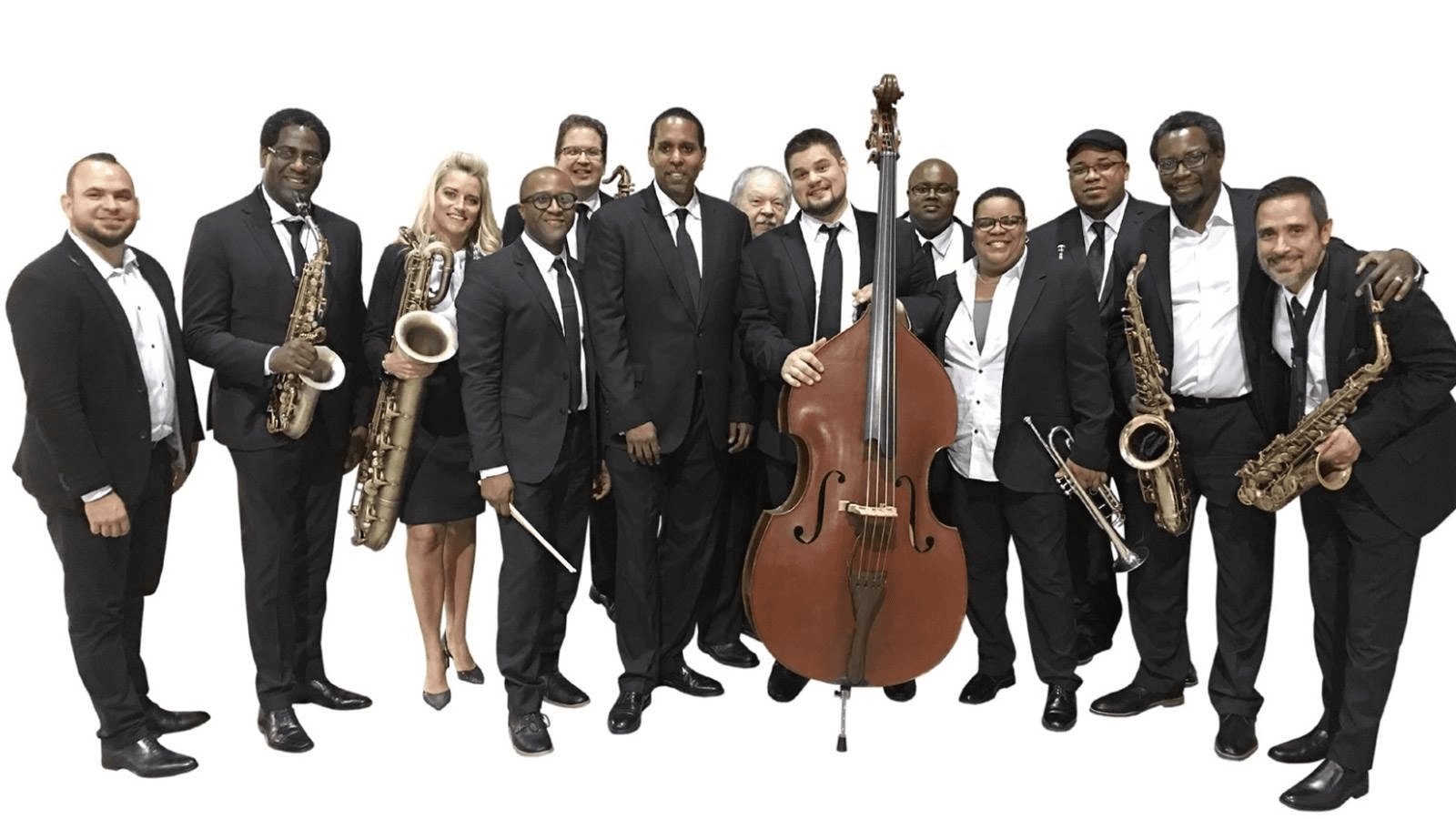
Having gone through an arduous journey of formation, jazz in Houston continues to evolve and reach new heights. The city has become, and continues to be, the center of jazz in the Southern states. The city has given rise to some well-known jazz artists, including Illinois Jacquet, Joe Sample, Conrad Johnson and Robert Glasper. The latter, by the way, has received several Grammy awards. The city’s clubs, such as Cezanne Jazz Club and Red Cat Jazz Café, have become popular gathering places for both local musicians and jazz musicians on tour in Houston.
The festivals, of which there are almost a dozen, attract top performers and spectators from all over the world every year. One of the most well-known events is Houston International Jazz Festival. The Houston Jazz Orchestra actively promotes jazz to young people. So, to summarize all we have stated so far, we can conclude that jazz in Houston is a living story that keeps developing and adapting to the present while keeping its rich traditions.