In the sprawling metropolis of Houston, hip-hop is more than just a genre—it’s the city’s heartbeat. But before becoming a global phenomenon with icons like Travis Scott and Lizzo, the Houston sound was a local treasure, nurtured and amplified by urban radio stations. These stations didn’t just play music; they built a culture, giving a voice to a unique sound that would eventually captivate the world. Here’s a look at how this new trend took hold: houston-trend.

The Foundation of a Movement: 97.9 The Box
You can’t talk about Houston hip-hop without mentioning 97.9 The Box. It wasn’t the first station to play rap, but it was the one that truly embraced the local sound. In the early ’90s, when the rest of the country was focused on the East Coast-West Coast rivalry, The Box became the unofficial headquarters for Houston’s underground artists.
The station’s DJs, like the legendary Madd Hatta, weren’t afraid to champion local talent. They gave airtime to artists from across the city’s diverse neighborhoods, from the gritty Third Ward to the bustling Northside. This wasn’t just a playlist; it was a platform. The Box fostered a sense of community, allowing young artists to feel like their music had a home. It’s where the city first heard tracks from rising stars, building a fierce loyalty that remains strong to this day.
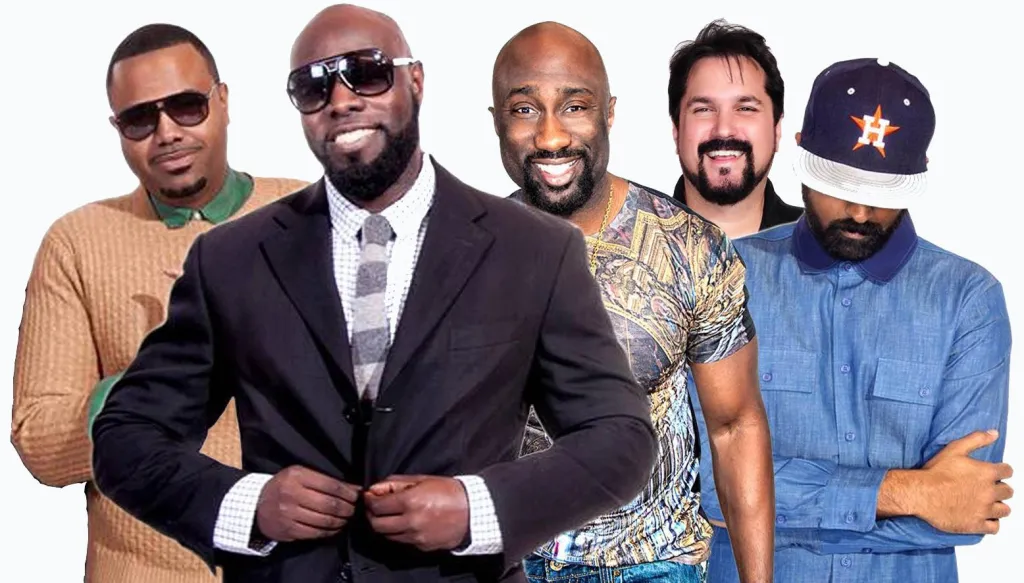
The Voice of the Streets: Screwed Up Records & Tapes
While The Box was crucial for mainstream popularity, another force was shaping the sound from the ground up: DJ Screw. His innovative “chopped and screwed” style—a slower, more hypnotic form of hip-hop—was more than just a musical technique; it was a cultural movement. But how did this unique sound reach the masses? Through mixtapes.
Screw initially sold his mixes from his home, eventually opening his now-legendary Screwed Up Records & Tapes store. The tapes became the currency of Houston’s streets. Local radio stations, recognizing the power and popularity of this sound, began to spin these slowed-down tracks, albeit in a more filtered, radio-friendly format. This cross-pollination between the underground and the airwaves was a pivotal moment. It validated the grassroots movement and introduced a wider audience to a sound that was uniquely and unapologetically Houston.
The Intersection with Commerce
Houston’s radio stations didn’t just play music—they shaped a market. They created an economic ecosystem where local artists could make a living from their craft. For example, radio play and local charts drove customers to small businesses and record stores. Stations partnered with clubs to host events, allowing fans to see their favorite artists perform live. This created a cycle: the radio supported the artists, the artists built the city’s identity, and that identity strengthened the bond between the radio, the artists, and the listeners.
A Cultural Beacon
Today, in the age of streaming and unlimited music access, the role of radio has shifted. While it was once the sole gatekeeper deciding what an audience would hear, it has evolved into a curator and a keeper of authenticity. The legacy of Houston’s radio stations is not just that they made hip-hop popular. They showed how a local scene could thrive without losing its unique identity while still reaching a mass audience.
This model became a blueprint for other cities looking to make their mark on the music industry. Instead of blindly copying trends from New York or Los Angeles, they learned to nurture their own stars, using radio as a tool to solidify a local identity. Modern Houston radio stations continue this tradition, remaining cultural hubs and promoters of new talent. They honor the pioneers like DJ Screw while also introducing fresh voices, bridging a gap between generations and styles.
Unlike streaming algorithms that suggest music based on individual preferences, radio creates a shared experience. It becomes the common soundtrack of a city, heard in cars, stores, and homes, uniting people. This is a living testament that even in a digital age, radio can be more than just entertainment—it can be a vital force for cultural identity and creative expression. It remains the voice of the city, not losing its relevance but simply finding new ways to keep a finger on the pulse of the streets.
From Local to Global
The legacy of these radio stations continues to shape Houston hip-hop today. The foundation they laid allowed artists like Paul Wall, Slim Thug, and Bun B to go from local heroes to national stars. Radio provided the crucial link between the streets and the larger music industry, proving that an authentic, regional sound could resonate far beyond the city limits.
Today, while streaming services and social media have changed how we discover music, radio’s impact endures. Stations still serve as cultural gateways and community centers, celebrating new talent and paying homage to the pioneers who paved the way. The story of Houston hip-hop’s rise is a testament to the power of radio—a medium that, at its best, is not just a source of entertainment but a vital force for cultural identity and creative expression.