


It was October 7, 1945, when Nina Vance organized a meeting with Houstonians in which she posed the only question, “Do you want a new theater for Houston?” The citizens responded favorably. Since then, the Alley Theater facility and its eponymous company have enhanced the city’s cultural life.
Alley Theater is the oldest professional theater company in Texas and the third oldest resident theater in the United States. Each year, the company stages up to 16 plays, ranging from the finest works of the classics to restored neglected pieces and new creations by contemporary playwrights. Alley Theater attracts a variety of theater workers, including actors, designers, composers and playwrights, who all work as guest artists on particular performances throughout each season. Learn more at houston-trend.
TEACHER, THE FOUNDER
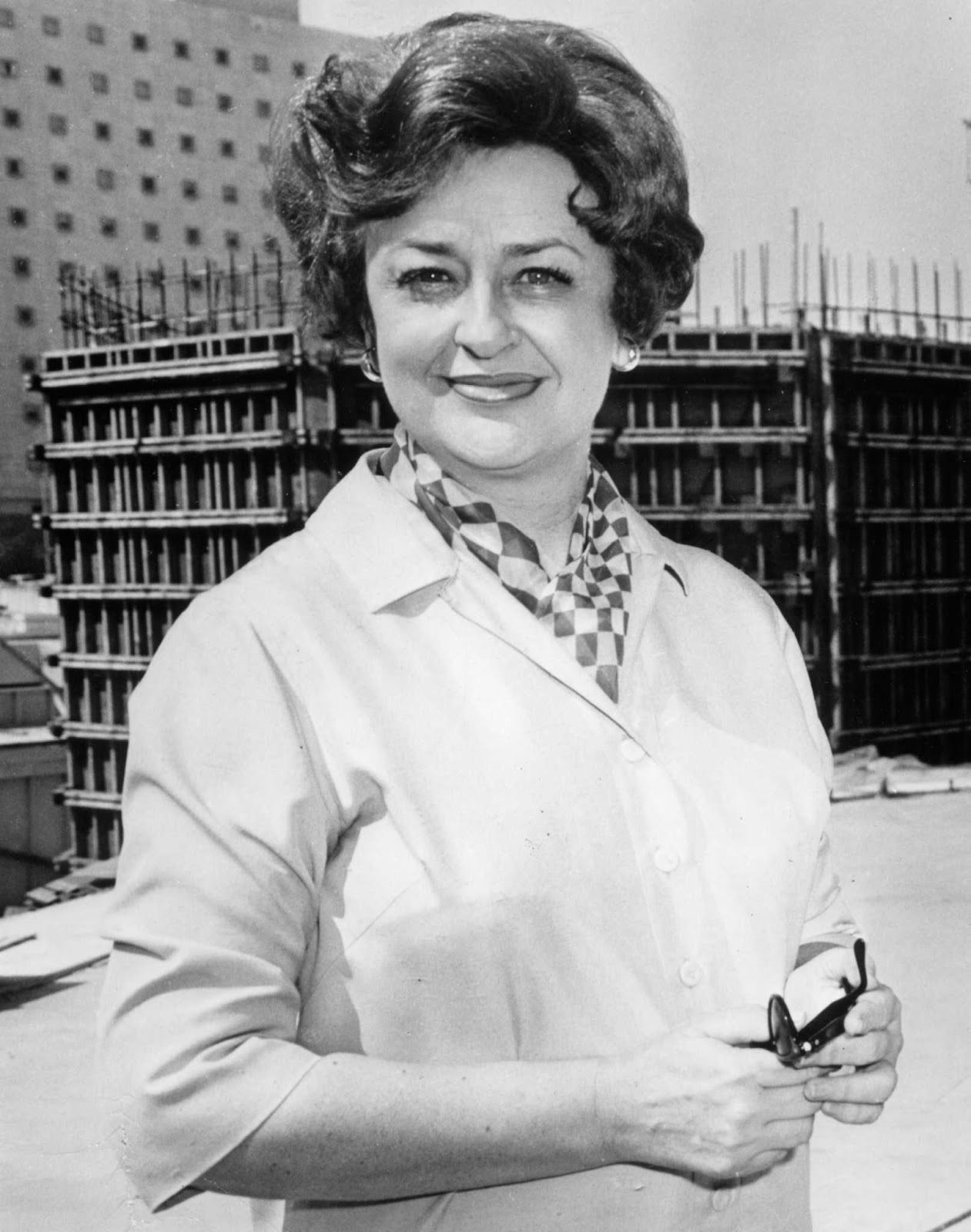
Nina Vance was born in Yoakam, Texas. After completing her studies at Texas Christian University, Columbia University, the American Academy of Dramatic Arts and the University of Southern California, Vance returned to Houston. There she taught drama at the local Jefferson Davis and San Jacinto high schools.
The schoolteacher participated at Houston Little Theater and Jones’ Community Players in the early 1940s, where she gathered props, played some roles and helped with box office receipts. Vance started directing plays at the Jewish Community Center after taking a leave of absence from her teaching career at San Jacinto High School in 1946.
Intrigued and enthused about opening a new theater in Houston, a woman decided to let people know about her plans. She purchased 214 postcards for $2.14, which she sent to citizens of Houston.
On October 7, 1945, over 100 citizens who had received postcards gathered to discuss the new theater. The turnout exceeded Nina’s expectations. When asked what to name the new theater, actress Rita Cobler, looking at the narrow path leading to the building, suggested the name Alley Theater.
STARTED OUT IN A DANCE STUDIO
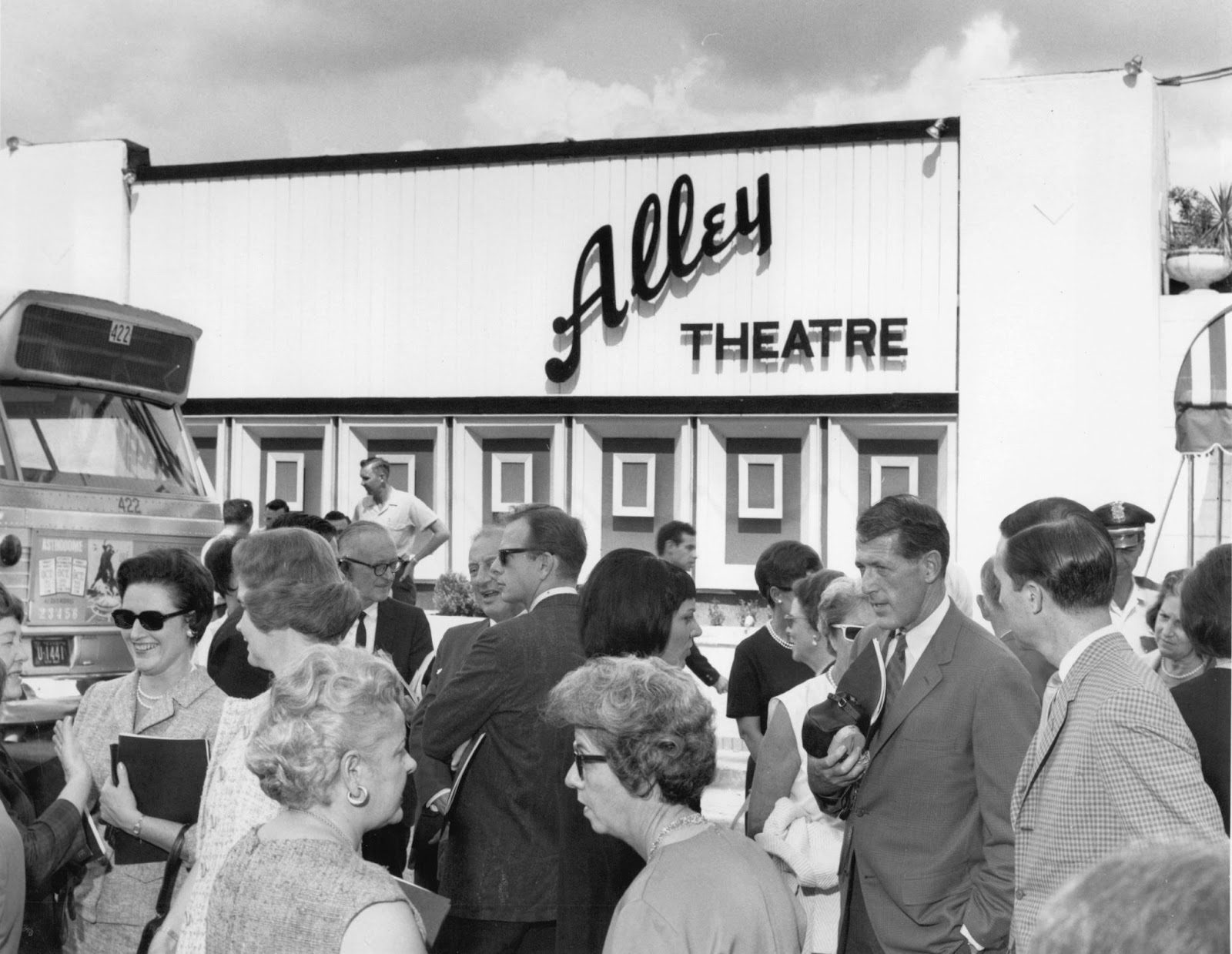
The theater was originally located on Main Street at the end of a long alley. The establishment served as a dancing studio during the day and transformed into a veritable theater with 87 seats at night.
Interestingly enough, Vance discovered the first play for the new theater, A Sound of Hunting, in the library. She refused to follow the advice of those who pushed her to perform comedy. She always strived not only to entertain the audience but also to influence their perception of the world. The premiere on November 18, 1947, was quite eventful. The audience of about 80, each paying $1.50 per ticket, crowded into wooden chairs. Some even perched on the piano and radiators in the back room of 3617 Main. A critic for the Houston Post wrote the next day that “the city has brought another interesting and encouraging theater experience.”
However, less than two years after the premiere performance of A Sound of Hunting, it became clear that a more permanent home was required. Nina Vance and the theater board have chosen an abandoned fan factory on Berry Avenue. That square, unassuming building housed 215 spectator seats. It honored the city’s best young actors, artists and intellectuals.
On February 8, 1949, the theater prepared the premiere of The Children’s Hour by Lillian Hellman. Once again, the triumphant performance made Nina realize that Houston theater audiences appreciate thought-provoking performances.
The theater went on to perform 151 plays over the following 29 years. During this time, the theater established a national reputation for the high quality of its performances and the vast number of professional theater actors it employed.
VOLUNTEER THEATER COMPANY
As for the pay of the Alley Theater workers, initially, they worked on a volunteer basis. Only two of them, a janitor and a full-time office manager, were paid throughout the first year. In the mid-1950s, the number of plays significantly increased while volunteers became harder and harder to find.
In 1952, Nina Vance obtained overall control over the running of the theater, both creatively and financially. From then on, she was able to pay actors on her own. The company’s first paid actor was Clarence Cavenaugh, who starred in Robert Ardrey’s Thunder Rock.
Seeing promise in Alley Theater, the Ford Foundation funded the theater’s acting company enabling them to join the Actors’ Equity Association. In 1959, the foundation awarded a $156,000 grant to establish a permanent acting ensemble. In the early 1960s, it also provided $2.1 million for a new facility for the theater company and another $1.4 million to support their work. Back then, it was the most significant grant ever made by this foundation to an American theater.
In the summer of 1963, the theater also raised over $900,000 from the citizens of Houston. These funds helped Alley Theater transform from its humble start into one of the most prestigious non-profit theaters in the United States.
NEW LOCATION
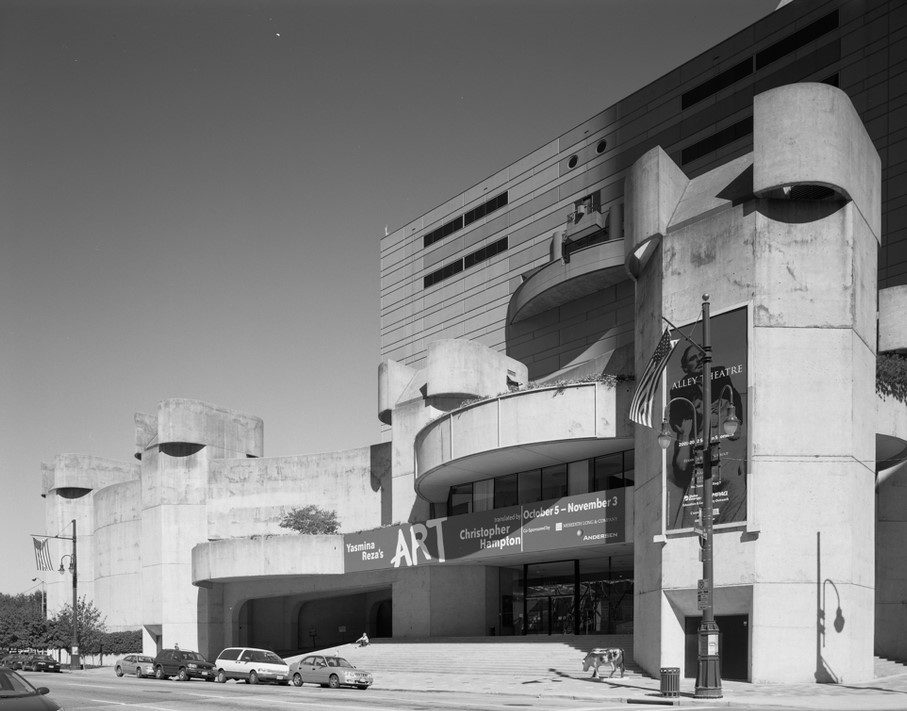
The construction of the new facility started on August 10, 1966. It opened its doors to the public a little over two years later. The new theater complex on Texas Avenue houses two stages, the Hubbard Stage (774 seats) and the more intimate Neuhaus Stage (296 seats), several administrative offices, rooms for sets, props, costumes and a rehearsal hall.
Despite her recognition and many acquaintances, Nina Vance was a non-public person. When her health deteriorated, the woman concealed the severity of her illness from everyone, including her employees and followers. Vance died on February 16, 1980, according to Houston media.
The 1990s was a successful decade for the company under the artistic direction of Gregory Boyd. In 1996, Alley Theater received the Regional Theater Tony Award, which is given annually for excellence in American theater. It was awarded for its world premiere production of Jekyll & Hyde, which toured through 40 cities in the United States and internationally. Other notable stagings in the 90s included Angels in America and Hamlet: A Monologue. Following their success, the theater also staged Anthony and Cleopatra as well as Julius Caesar. In 1998, the theater company produced the American premiere of the forgotten play Not About Nightingales by Tennessee Williams, one of the leading American playwrights of the twentieth century.
Ten years later, in November 2002, the theater company opened its new Center for Theater Production. This 5-story “theater-making laboratory in the sky” has one of the most extensive production facilities of any theater in the United States. The Center contains spacious rooms with high ceilings for set, costume and prop building, plus three rehearsal halls. It also houses the theater’s artistic, production and administrative offices, as well as a conference room, a staff dining room, a script library, and an archive.
RENOVATION
The Alley Theater received a significant $46.5 million renovation between 2014 and 2015, resulting in an entirely up-to-date venue empowered to compete with the best performing arts venues in the world.
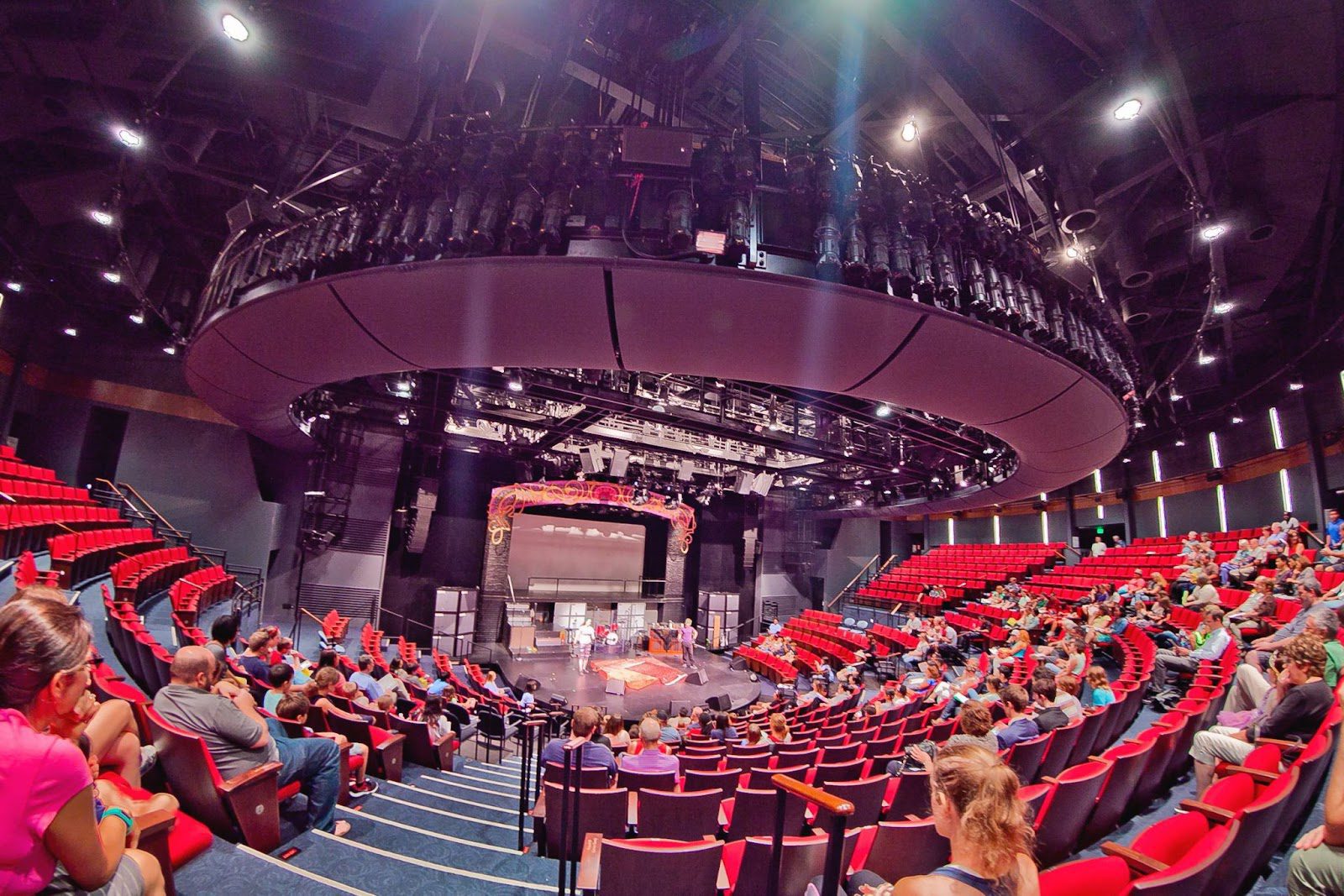
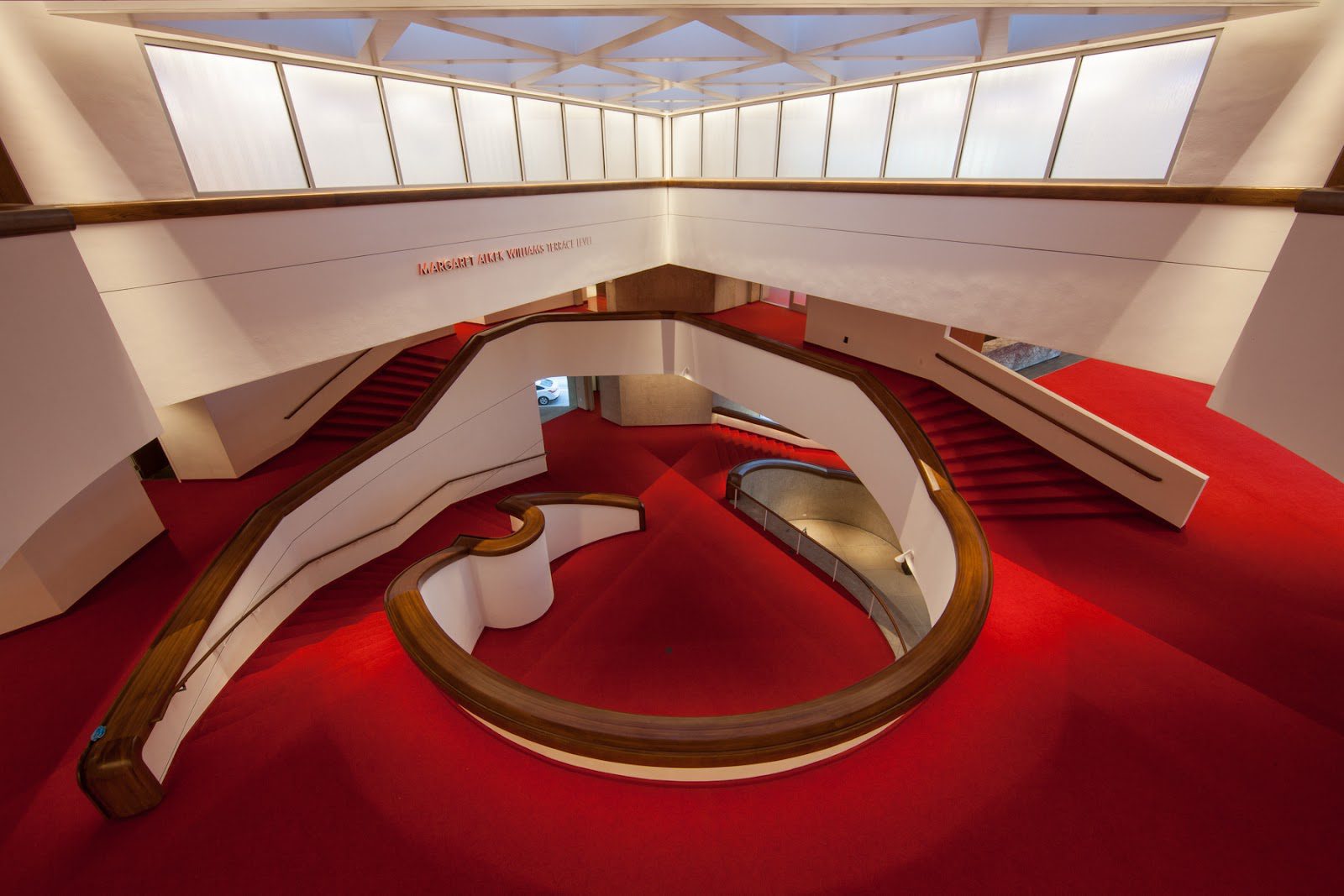
The theater has been transformed into a magnificent space. Improvements include installing a four-story attic and creating a fully enclosed stage floor with an orchestra pit and entrances/exits for actors and sets. The list of new audience amenities also includes new seats, expanded restrooms and lobbies. The theater was hit by Hurricane Harvey in 2017, causing the most damage of any theater in Houston.