Houston is a city known for its dynamic energy, space exploration, and diverse culture. But behind the urban bustle, something no less remarkable is happening: the healing power of music is helping people overcome physical and emotional challenges. Music therapy, a form of art therapy, is gaining increasing popularity in Houston, becoming an integral part of the city’s medical and rehabilitation systems. Read on to learn more on houston-trend.
The Science Behind the Melodies
Music therapy is more than just listening to your favorite songs. As defined in specialized literature, it’s the clinical, evidence-based use of musical interventions to achieve individualized goals within a therapeutic relationship. In Houston, qualified music therapists work with patients of all ages, from newborns to the elderly. They use music as a tool to improve their quality of life.
This type of therapy is used in many of Houston’s medical facilities. For example, at the Children’s Hospital of Texas, specialized music professionals work with children suffering from chronic illnesses, cancer, or injuries. Music helps them cope with the fear, pain, and anxiety that often accompany treatment. Playing music, singing, and moving along to it helps children feel more comfortable, reduces stress, and improves their emotional stability.
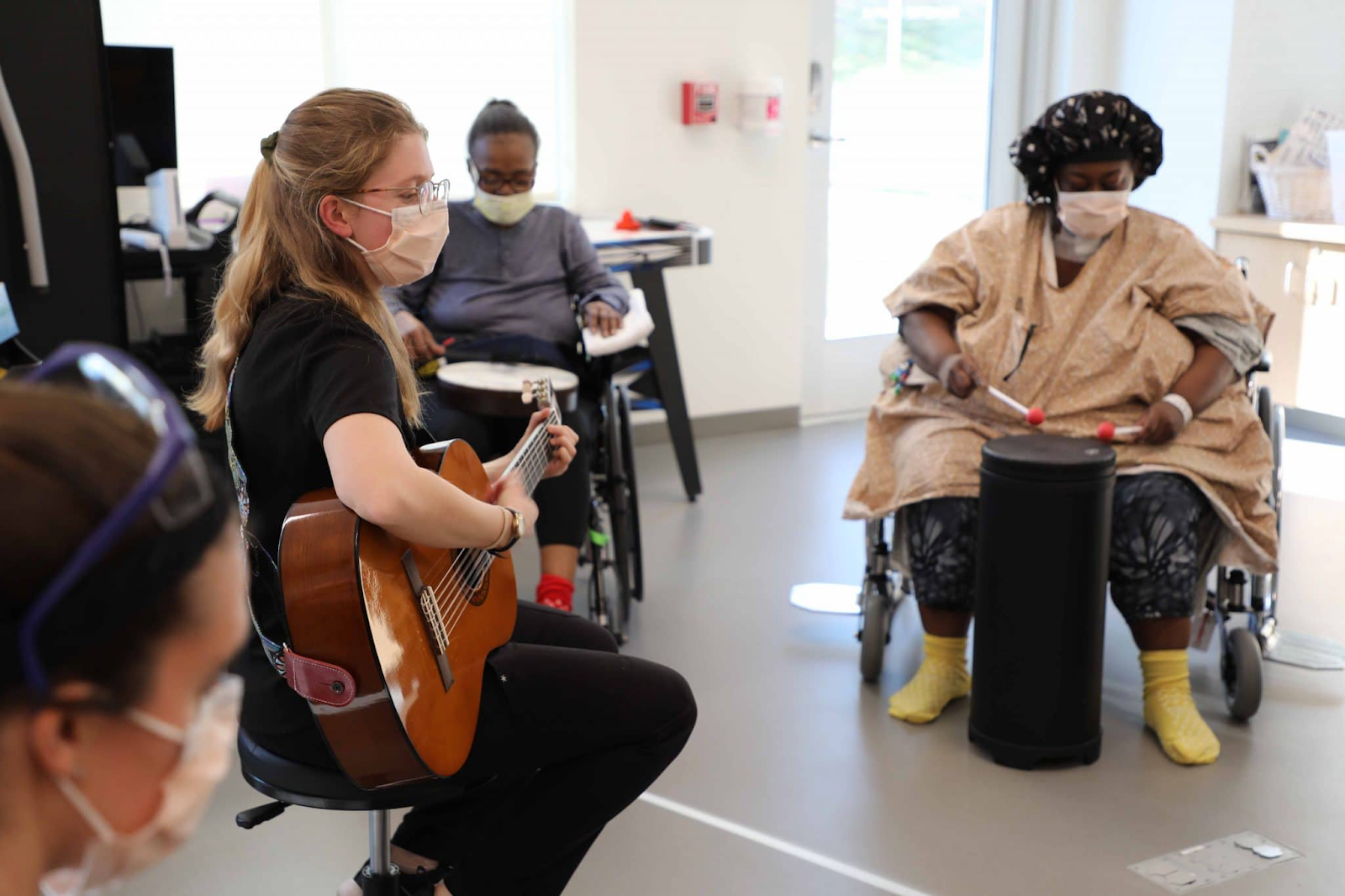
In rehabilitation centers like the Tyrrell Institute for Physical Medicine and Rehabilitation, music therapy is used to restore speech, motor, and cognitive skills after a stroke, traumatic brain injury, or other neurological damage. Carefully selected melodies help patients regain coordination, improve memory and concentration, and express their emotions.
Helping People with Special Needs
Healing with music in Houston extends far beyond medical facilities, actively integrating into inclusive communities where it becomes a powerful tool for people with various disabilities. This approach is based on the recognition that music is a universal language that can overcome communication barriers and promote personal development.
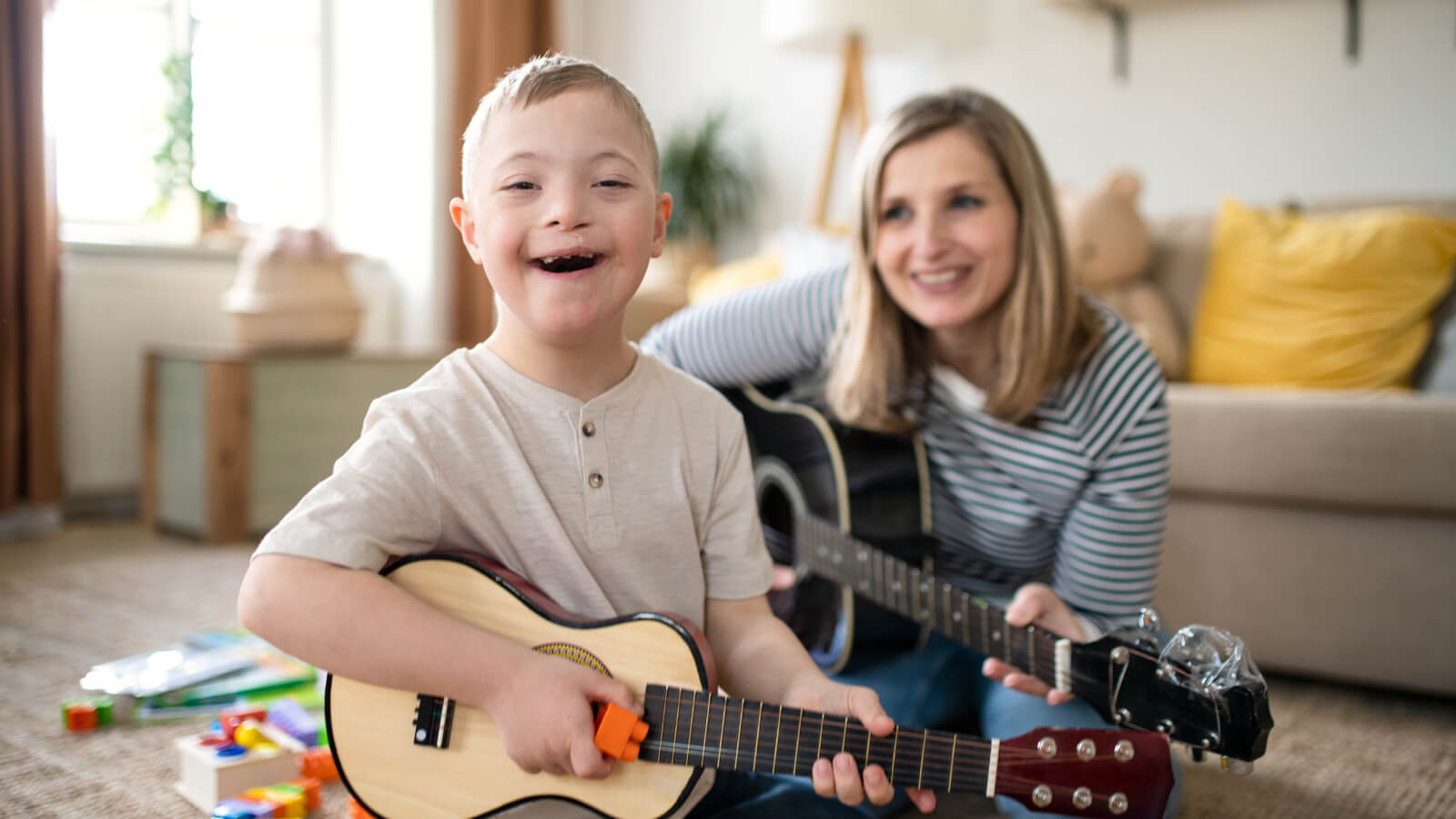
One prominent example is The Center for Development and Learning, The Inclusive Community. This organization, like many others in Houston, offers music therapy programs specifically designed for people with autism, Down syndrome, cerebral palsy, and other developmental disorders. Therapists use music to create a safe and stimulating environment where participants can express themselves without words.
Several key types of music therapy are used within these Houston-based groups to help people with disabilities:
- Improvisational therapy allows participants to spontaneously create music using instruments or their voices, which fosters creativity and improves emotional regulation.
- Receptive therapy involves listening to specially selected music to achieve relaxation, reduce stress, or stimulate cognitive functions.
- Songwriting therapy focuses on creating, performing, or analyzing songs, which helps participants express feelings, improve memory, and enhance language skills.
- Rhythmic therapy uses drums and other percussion instruments to improve coordination, a sense of rhythm, and social interaction. Many programs also encourage family involvement, teaching them how to use music to communicate and strengthen bonds with loved ones at home.
Not Just for Patients
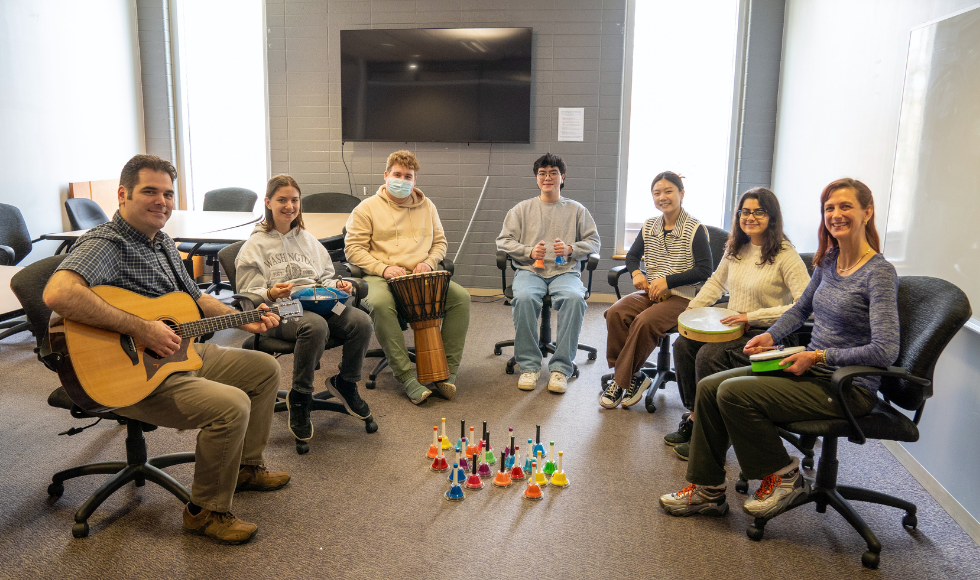
Music therapy isn’t just for patients. It can also be used as a self-help tool. Houston offers workshops and masterclasses in music therapy where people can learn to use melodies to improve their emotional and physical well-being. They can learn how to create their own “musical prescription” to combat stress, depression, or insomnia.
Facts and Scientific Research Confirming its Effectiveness
- Improved communication. Studies published in the Journal of Music Therapy show that music interventions help people with autism improve their verbal and nonverbal communication skills. Rhythmic interaction, singing, and using musical instruments can reduce anxiety associated with communication.
- Development of social skills. Healing through music in a group setting fosters the development of collaboration, listening, and empathy skills. When participants play drums or sing together, they learn to interact, wait their turn, and feel a sense of unity with others.
- Improved motor skills. Using musical instruments like maracas, xylophones, or drums helps develop both fine and gross motor skills. This is especially important for people with cerebral palsy or other mobility impairments.
- Increased self-esteem. Music allows everyone to find their role. Even if a person can’t speak or move, they can make a sound or simply listen to the rhythm, feeling a sense of belonging to the group. Success in musical activities, such as mastering a new instrument or performing a song, significantly boosts self-esteem and confidence.
Music therapy in Houston is a constantly evolving field. Research in this area is ongoing, and new technologies like virtual reality and biofeedback are already being integrated into therapy sessions. This opens up new possibilities for improving people’s lives and confirms that music is not only an art form but also a powerful tool for healing.