Houston has always been a city that moves to its own beat. But no other musical movement has defined its identity quite like “Chopped and Screwed.” It’s not just a music genre; it’s a cultural phenomenon that grew from the 90s underground scene and became an integral part of the city’s DNA. Thanks to one visionary, DJ Screw, this unique, slowed-down sound transformed local hip-hop into a global phenomenon. Here, we delve into the origin story of this new movement on houston-trend.
An Accident or Planned Success?
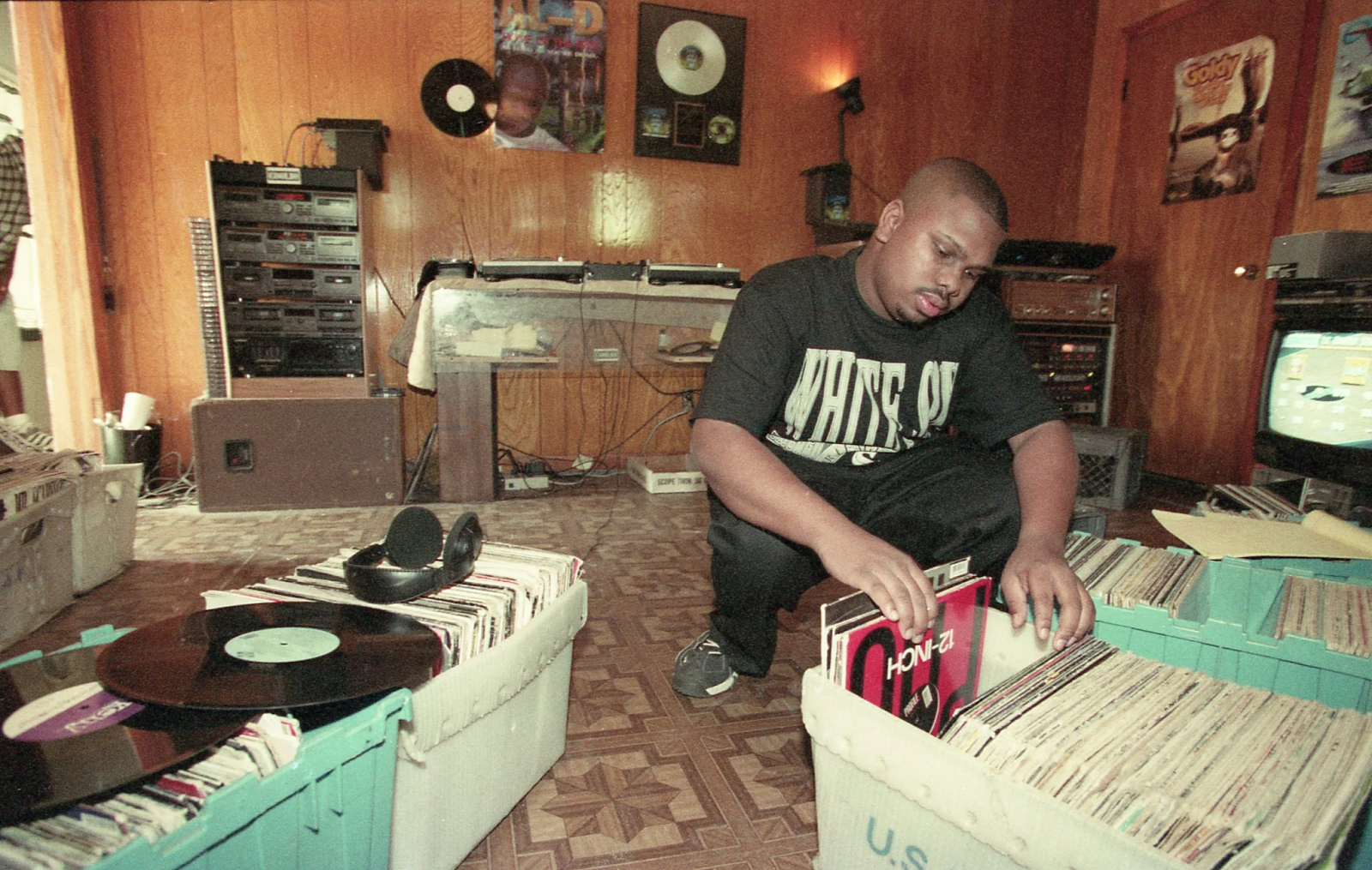
It all started not with commercial success or planned marketing, but with improvisation and a bit of luck. In the late 80s and early 90s, Robert Earl Davis, Jr., known as DJ Screw, began experimenting with his turntables. While the exact moment “Chopped and Screwed” was created is still steeped in legend, the DJ himself said it happened during a party with friends. He accidentally slowed down the playback speed of a vinyl record, which produced an unexpected but fascinating effect.
This sound, initially known as “laid-back driving music,” quickly gained popularity among local youth. DJ Screw started recording his mixtapes, which he called “Screw Tapes,” and selling them directly from his home in South Houston. People from all over the city would line up for his cassettes, as these compilations were more than just music. They became the voice of an entire generation, reflecting the lifestyle and mentality of Houston.
What is Chopped and Screwed?
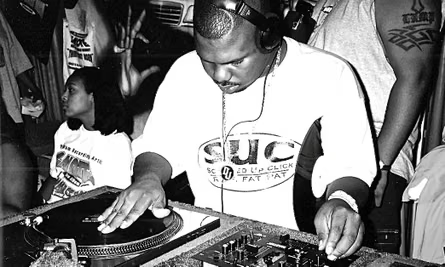
“Chopped and Screwed” is a remixing technique characterized by a significant slowing of a song’s tempo (typically to 60-70 beats per minute), lowering of the pitch, and the use of techniques like repeating words or phrases, scratching, and “chopping” beats. The result is a deep, hypnotic, and almost ritualistic sound. The music becomes thicker, the beats get heavier, and the lyrics become more expressive, almost transforming into a slow narration.
This style was a radical departure from the fast, dynamic hip-hop that dominated other regions at the time, such as Miami or Memphis. While West and East Coast rap drew people in with its aggressive sound, “Chopped and Screwed” offered something different: a calm, relaxed vibe that perfectly suited Houston’s culture.
The Legend and His Legacy
DJ Screw gathered a whole group of talented rappers around him, known as the Screwed Up Click (S.U.C.). For many of them, including Lil’ Keke, Big Pokey, Big Moe, and Z-Ro, the chance to freestyle on Screw’s mixtapes was their only opportunity to make a name for themselves. These cassettes became a springboard for their successful careers, and S.U.C. turned into genuine idols for the local scene.
Robert Earl Davis, Jr.’s death was a tragic and pivotal moment for the entire hip-hop culture. On November 16, 2000, at the age of 29, he was found dead in his Houston studio. The medical examiner confirmed the cause of death was a codeine overdose combined with other narcotic substances, a direct result of his use of “purple drank”—a cocktail of prescription cough syrup and soda.
This tragedy shocked his fans and colleagues and raised the painful issue of drug addiction, which was a part of the Chopped and Screwed scene. However, instead of disappearing with its creator, DJ Screw’s legacy took on a new life. His death acted as a catalyst, pushing the Chopped and Screwed genre beyond Houston and the American South to a national and eventually global level.
Impact on Modern Culture
Today, “Chopped and Screwed” is not just archival music. Its influence can be heard in the work of modern artists worldwide. Travis Scott, one of Houston’s most famous natives, often pays homage to DJ Screw in his music. He uses this unique sound to emphasize his roots and create his signature atmosphere. Even artists like Beyoncé and Three 6 Mafia have borrowed elements of this style in their songs, which speaks to its widespread recognition.
Furthermore, the influence of “Chopped and Screwed” can be traced in electronic music and modern internet trends, such as “slowed + reverb.” This proves that the DJ’s experiments didn’t just change hip-hop; they gave birth to a new approach to working with sound that remains relevant today.
DJ Screw’s life was short, but his work left a huge mark on music history. He didn’t just create a genre; he created a whole cultural movement that continues to live and evolve through new generations of artists. The University of Houston has even recognized the importance of this cultural phenomenon by establishing an archive dedicated to DJ Screw and his work. This recognition underscores that the genre he created is not just music, but an important part of Houston’s history and heritage that must be preserved and studied.
“Chopped and Screwed” reminds us that a true cultural movement can be born in the most unexpected places, far from the attention of major labels. Sometimes all it takes is one talented musician to change not only music but the history of an entire city.