


In 1980, a movie hit the big screen that not only launched a new cinematic movement but also became a symbol of transformation across the United States. “Urban Cowboy”, directed by James Bridges and starring John Travolta, shifted audiences from the world of the traditional Western to a modern urban landscape — particularly Houston, a city in the midst of a dramatic evolution from oil capital to a new kind of cultural hub. This release became a turning point for the city and its cinematic identity. Discover the story behind the filming and the rise of this cultural phenomenon at houston-trend.com.
Houston at the Turn of the Decade: A New American Dream
By the late 1970s, Houston had become the epicenter of America’s economic boom. The oil industry, space exploration, and a construction surge attracted people from all over the country. The city was growing rapidly — new offices, housing developments, and infrastructure sprang up everywhere. Yet, along with progress came nostalgia — a yearning for authenticity, community, and tradition. At the same time, America was falling in love with movies like never before. “Urban Cowboy” captured that tension perfectly: the cowboy spirit reborn in an urban world.
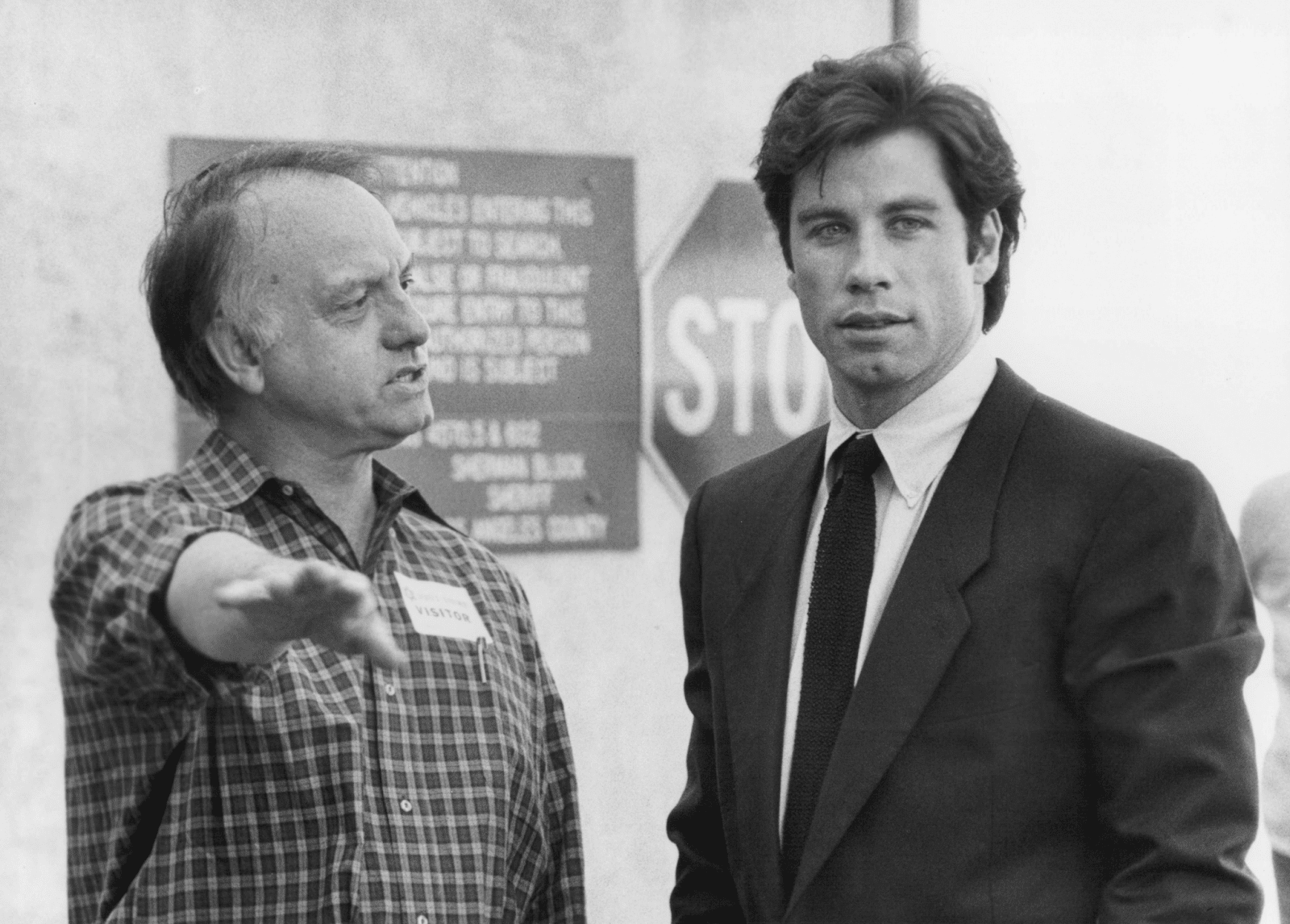
Director James Bridges got the idea for the film after reading an article titled “Urban Cowboy” in a magazine. It told the real-life story of a romantic relationship between two regulars at Gilley’s Club — a legendary country bar on the outskirts of Houston. Known for its live country music and mechanical bull contests, the place embodied Texas nightlife. Bridges was so inspired that he decided to adapt the story for the screen. He co-wrote the script with journalist Aaron Latham. After a quick round of casting, the leads went to John Travolta and Debra Winger, and production began right there in Houston.
Gilley’s Club: The Heart of the Film and a Cultural Landmark
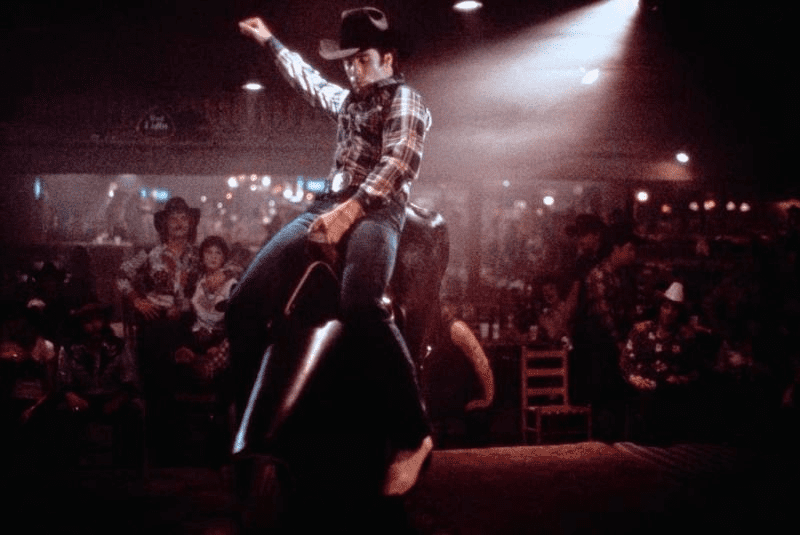
The heart of the movie was Gilley’s Club in Pasadena, a Houston suburb. Founded in 1971 by country star Mickey Gilley and entrepreneur Sherwood Cryer, it quickly became known as the largest honky-tonk in the world. The venue was enormous — the size of a football field — with a massive dance floor, live music, mechanical bulls, and a true Texas vibe that drew visitors from across the country. After the movie’s release, Gilley’s became a pop-culture sensation and the epicenter of the “urban cowboy” craze. Critics praised the film, with about 70% of professional reviews being positive. With a budget of $10 million, the film grossed over $53.3 million — a major success by 1980s standards.
Plot: Love, Conflict, and Self-Discovery
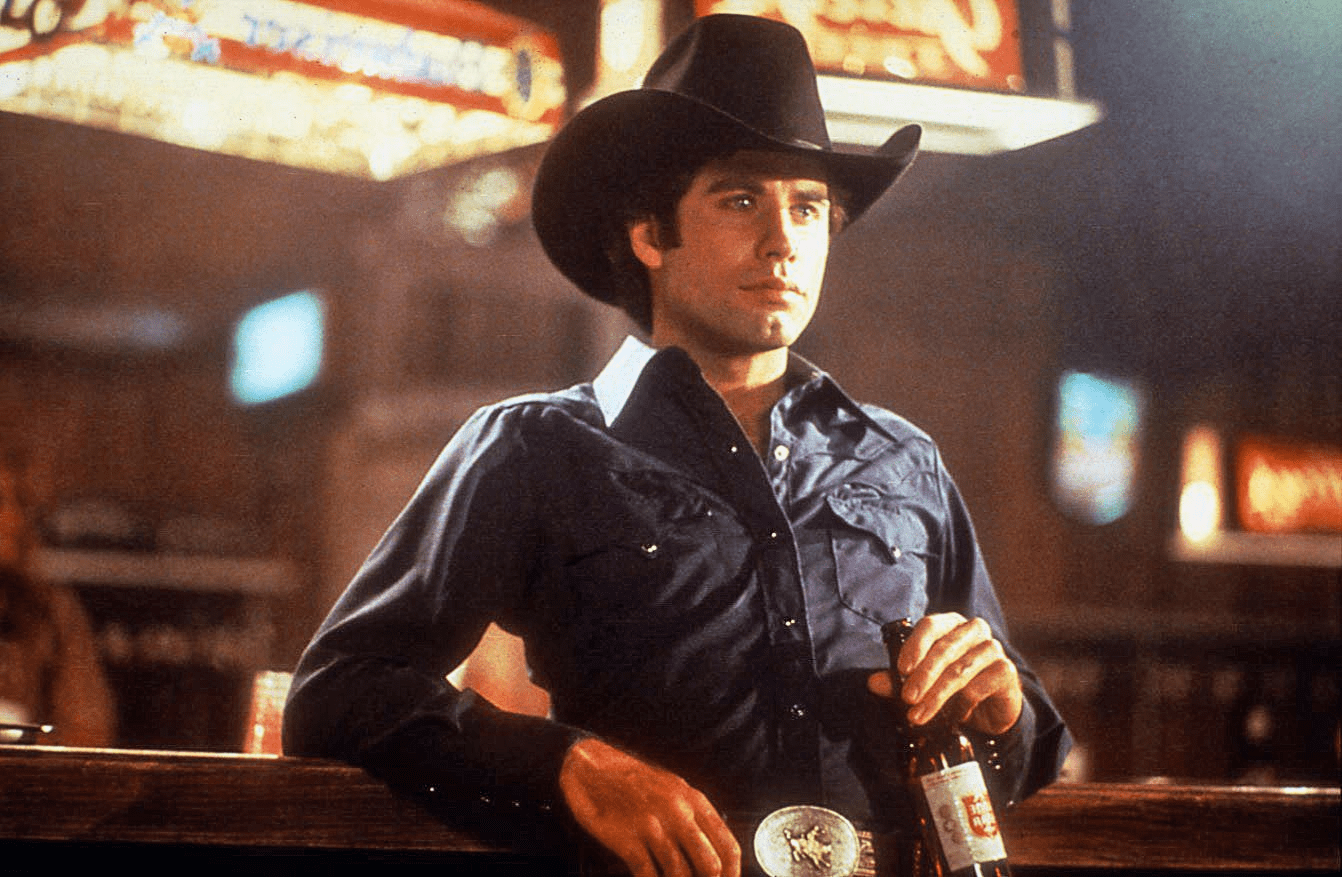
The story follows Bud Davis, a young man who moves to Houston from a small town to work at an oil refinery. At Gilley’s, he meets Sissy — a strong-willed, independent woman. Their relationship evolves amid rivalry, jealousy, and personal ambition. The film explores gender roles, class divides, and the search for identity during a time of rapid social change.
Modern audiences might see the story as a simple love drama, but in 1980 it was groundbreaking. “Urban Cowboy” sparked a cultural revolution. Country music, once seen as purely rural, suddenly entered the mainstream. The film’s soundtrack, especially Johnny Lee’s hit “Lookin’ for Love”, topped charts. Fashion followed suit — cowboy hats, boots, jeans, and oversized belt buckles became must-haves for city dwellers across America.
The New Cowboy Aesthetic: From Prairie to City Lights
The movie redefined the image of the cowboy. In Westerns of the 1940s–60s, he was a rugged loner with a revolver on his hip. Travolta’s Bud, however, embodied a modern version — a city cowboy who traded open plains for neon lights. He still valued honor, pride, and independence but learned to adapt to a changing world. “Urban Cowboy” proved that being a cowboy wasn’t about geography — it was a state of mind.
A Cultural Time Capsule
After its release, Houston gained a new identity — a city where tradition met innovation. It became a magnet for tourists, musicians, and filmmakers. Gilley’s turned into a brand, and Houston emerged as the symbol of a modern South where cowboy culture thrived in an urban landscape. The movie became a pop-culture touchstone, breathing new life into Western fashion and music.
“Urban Cowboy” is more than a love story or a dance film. It’s a chronicle of America’s transformation at the close of the 20th century. It showed that traditions can evolve and remain relevant without losing their essence. And even though Gilley’s is long gone, its spirit lives on — in music, culture, and the memories of those who lived through the urban cowboy era.